


Introduction
A low-protein diet plan is often recommended for people who need to reduce the workload on their kidneys, manage certain health conditions, or bring balance to their overall nutrition. While protein is an essential macronutrient for muscle repair, immunity, and energy, too much protein—or the wrong type—can create stress on vital organs and affect long-term wellness. A thoughtfully designed low-protein diet helps you nourish your body safely while ensuring that you still receive enough nutrients, vitamins, and minerals for healthy functioning.
Many individuals consider a low-protein diet when dealing with kidney-related concerns, liver disorders, metabolic imbalances, or when advised by a healthcare professional. However, this eating pattern isn’t just for people with medical needs. Anyone who wants to lighten their digestive load, improve energy levels, or adopt a cleaner eating routine can benefit from this approach. The key is to focus on high-quality foods, proper portion sizes, and balanced daily intake.
A well-structured low-protein plan places emphasis on whole grains, fruits, vegetables, healthy fats, and controlled portions of plant-based proteins. It encourages mindful eating, better hydration, and steady energy throughout the day. At the same time, it limits high-protein foods like red meat, poultry, eggs, fish, dairy, legumes, and protein supplements. This balance supports your body’s natural rhythm while promoting overall wellness.
For individuals with kidney concerns, a low-protein diet helps reduce excess strain on the kidneys and prevents toxin build-up. For others, it can be a gentle shift toward consuming more plant-based meals, reducing inflammation, and improving digestion. With proper planning, a low-protein diet is both nutritionally adequate and easy to follow. In this comprehensive guide, you’ll discover how to structure your meals, which foods to include, which ones to limit, and how to create a sustainable daily eating pattern that keeps you energized, nourished, and healthy.
What is a Low Protein Diet?
A low-protein diet is a nutritional approach that limits the daily intake of protein while ensuring that the body still receives all essential nutrients needed for healthy functioning. Instead of focusing on high-protein foods like meat, fish, eggs, dairy, and legumes, this diet emphasizes plant-based foods, whole grains, fruits, and vegetables, along with controlled and mindful portions of permissible protein sources. A low-protein eating plan is commonly recommended for people who need to reduce the strain on their kidneys, liver, or metabolic system, but it can also help individuals seeking a lighter, cleaner, and more balanced way of eating.
In a typical diet, proteins play a vital role in repairing tissues, building muscles, and supporting immunity. However, when the body receives more protein than needed, the excess has to be broken down and filtered out — primarily through the kidneys. For people with kidney concerns, excessive protein can lead to toxin accumulation, increased workload on the kidneys, and a faster progression of issues. Similarly, individuals with liver-related health problems may struggle to process high amounts of protein, leading to digestive discomfort, fatigue, and metabolic imbalance. A low-protein diet helps prevent such strain by reducing protein intake to safe and manageable levels.
A standard low-protein diet usually provides around 0.6 to 0.8 grams of protein per kilogram of body weight, depending on age, health condition, and medical advice. It supports the body with energy from other sources like carbohydrates and healthy fats while incorporating nutrient-dense foods. This diet encourages the consumption of fruits, vegetables, healthy oils, nuts (in controlled portions), rice, oats, millets, and root vegetables, all of which contribute to improved digestion, stable energy levels, and better overall wellness.
What makes a low-protein diet beneficial is that it helps the body operate more efficiently and reduces internal stress. It also promotes mindful eating habits, improved hydration, and better metabolic balance. With proper planning and guidance, a low-protein diet can be both nutritious and easy to follow, making it a supportive lifestyle choice for many.
👉 You may also find this helpful:
Anti-Inflammatory Diet Plan
Health Benefits of a Low Protein Diet
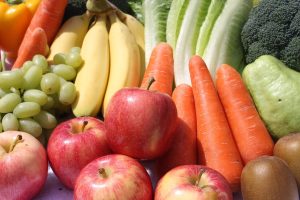
A low-protein diet plan offers several important health benefits, especially for individuals who want to reduce the strain on their internal organs, improve overall wellness, and maintain a balanced lifestyle. While protein is essential for the body, excessive intake—especially from animal-based sources—can place unnecessary pressure on organs like the kidneys and liver, affect digestion, and lead to long-term imbalances. By adopting a low-protein diet, the body receives just the right amount of protein while being nourished with energy from healthier, more digestible sources.
One of the most well-known benefits of a low-protein diet is improved kidney health. When the body breaks down protein, it produces waste products like urea and creatinine, which must be filtered out through the kidneys. When protein intake is too high, the kidneys must work harder. For individuals with chronic kidney disease or reduced kidney function, this can accelerate the progression of the condition. A low-protein diet helps reduce the production of metabolic waste, eases the workload on the kidneys, and supports better filtration.
Another significant benefit is improved liver function. The liver plays a vital role in breaking down amino acids and converting them into usable forms of energy. When protein intake is excessive, it can cause a buildup of toxins and impair liver efficiency. A low-protein diet, especially one rich in plant-based foods, helps reduce the liver’s burden and promotes better metabolic performance. This often results in increased energy levels, improved digestion, and better overall vitality.
A low-protein diet can also help regulate blood pressure, reduce inflammation, and support weight management. Since the diet emphasizes whole foods, fruits, vegetables, and healthy fats, it naturally reduces the intake of heavy, calorie-dense, and inflammatory foods. Many people experience improved digestive comfort, lighter meals, stable energy, and reduced bloating after switching to this eating style.
Additionally, a low-protein diet encourages mindful eating habits and balanced nutrient intake. The focus on whole grains, fiber-rich foods, and healthy carbohydrates helps maintain stable blood sugar levels and supports heart health. This eating method benefits not only individuals with specific medical needs but anyone seeking a more balanced, plant-forward lifestyle.
👉 Walking helps improve strength, mobility, and metabolism.
Read: Why Walking Is the Best Way to Lose Weight
Who Should Follow a Low Protein Diet?
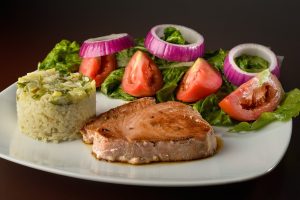
A low-protein diet is not meant for everyone, but it is highly beneficial—and often necessary—for individuals dealing with specific health conditions or those who require a gentler nutritional approach. Since protein plays a major role in building tissues and supporting bodily functions, limiting it must be done carefully and intentionally. This section explains who can benefit most from a low-protein diet and why it becomes a safe and supportive choice for their health.
The primary group that benefits from a low-protein diet is individuals with chronic kidney disease (CKD) or reduced kidney function. When protein is metabolized, the body produces waste elements like urea and creatinine, which must be filtered through the kidneys. For people with impaired kidney function, this filtration becomes difficult. A high-protein diet increases the workload on the kidneys, potentially worsening the condition. A low-protein diet helps reduce metabolic waste, supports smoother filtration, and prevents further damage.
According to the National Kidney Foundation, people with chronic kidney disease may benefit from a carefully monitored low-protein diet to reduce kidney workload.
Individuals with liver disorders also benefit significantly from a low-protein eating pattern. The liver is responsible for breaking down amino acids, detoxifying the blood, and processing nutrients. Excessive protein intake can overwhelm the liver, leading to toxin buildup, fatigue, and metabolic challenges. A carefully balanced low-protein diet reduces the liver’s burden, allowing it to function more efficiently and support overall healing.
Another group that may require a low-protein diet is people with metabolic disorders, such as phenylketonuria (PKU), tyrosinemia, or maple syrup urine disease. In these rare conditions, the body cannot process certain amino acids properly. A low-protein diet becomes a necessary approach to manage symptoms, prevent complications, and maintain metabolic harmony.
Elderly individuals with decreased appetite, weakened digestion, or reduced organ function may also benefit from moderate protein restriction. Similarly, people recovering from certain illnesses, surgeries, or inflammatory conditions sometimes feel better on a diet that focuses on easily digestible foods and minimizes digestive strain.
However, a low-protein diet is not ideal for athletes, pregnant women, bodybuilders, or those with high physical activity levels unless guided by a medical professional. Because protein is essential, any significant restriction should be personalized and monitored.
Overall, a low-protein diet is highly beneficial for individuals who want to support kidney health, improve liver function, manage specific metabolic conditions, or reduce internal stress on their body. When guided correctly, it becomes a powerful pathway to better health and improved wellbeing.
Foods to Eat on a Low Protein Diet
A low-protein diet plan focuses on nourishing the body with wholesome, nutrient-rich foods while keeping protein intake at a safe and controlled level. The goal is not to eliminate protein completely, but to choose foods that support healthy digestion, stable energy levels, and reduced stress on organs like the kidneys and liver. When chosen wisely, these foods help you maintain a balanced diet without compromising essential vitamins and minerals.
1. Fruits and Vegetables (Naturally Low in Protein)
Fruits and vegetables form the foundation of a low-protein diet. They are rich in antioxidants, vitamins, fiber, minerals, and water content. Because they contain minimal protein, they are ideal for maintaining hydration, improving digestion, reducing inflammation, and supporting immunity. Some excellent choices include bananas, apples, grapes, melons, papaya, berries, cucumbers, carrots, cabbage, spinach (in moderation), pumpkin, beets, and tomatoes. These foods help keep meals light and refreshing.
2. Whole Grains and Cereals
Carbohydrates become an important energy source on a low-protein diet. Whole grains such as rice, oats, wheat, quinoa (in small quantities), millets, semolina (sooji), and barley are nourishing, satisfying, and easy to digest. They help maintain stable energy throughout the day and pair well with vegetables and healthy fats. These grains also support heart health and digestive comfort.
The Cleveland Clinic advises that focusing on fruits, vegetables, healthy fats, and controlled portions of carbs supports a safe low-protein eating pattern.
3. Healthy Fats
Healthy fats provide long-lasting energy and play a vital role in brain function, hormone balance, and overall wellness. Since they contain no protein, they fit perfectly into a low-protein plan. Use small but adequate amounts of olive oil, coconut oil, groundnut oil, avocado, flaxseed oil, and small servings of nuts like almonds and walnuts (in moderation due to mild protein content). These fats help meals feel satisfying and prevent hunger.
4. Dairy Alternatives
For individuals who need to strictly limit protein, dairy alternatives can be a helpful choice. Coconut milk, rice milk, oat milk, and almond milk (in moderation) are lighter options compared to regular milk, curd, paneer, or cheese. They add creaminess to meals without adding significant protein.
5. Low-Protein Snacks
Boiled potatoes, sweet potatoes, puffed rice, roasted makhana, homemade vegetable soups, and fruit bowls are excellent low-protein snacks that keep the body energized without straining the organs.
When planning your meals, the key is choosing foods that are rich in nutrients but naturally low in protein, allowing your body to function with ease, stay energized, and maintain good health.
.
Foods to Avoid on a Low Protein Diet
A low-protein diet requires careful attention not only to what you should eat but also to what you must limit or avoid. Since protein is found in many foods, it becomes important to understand which items contain high amounts and may put unnecessary strain on the kidneys, liver, or metabolic system when consumed regularly. By avoiding or minimizing the following foods, individuals can maintain the right balance and enjoy the benefits of a healthier, low-protein lifestyle.
1. Red Meat and Processed Meats
Beef, pork, mutton, sausages, hot dogs, and bacon are extremely high in protein and saturated fats. These foods can increase metabolic waste, contribute to inflammation, and put significant stress on the kidneys. Processed meats also contain additives and preservatives that may be harmful, especially for individuals with kidney or liver concerns. It is best to eliminate them entirely on a low-protein diet.
2. Poultry and Seafood
Chicken, turkey, fish, prawns, and other seafood sources are high-protein foods that need to be avoided or consumed only in very small, medically approved portions. Although these foods are generally healthy, they are not suitable for individuals following a strict low-protein diet due to their high amino acid content.
3. Eggs and Dairy Products
Eggs are a concentrated source of protein, and even a single egg contains about 6 grams of protein. Similarly, milk, yogurt, cheese, paneer, and butter contain substantial amounts of protein and can quickly exceed the recommended intake. Dairy products also produce nitrogen-based waste during metabolism, which can stress the kidneys.
4. Legumes, Beans, and Lentils
While nutritious, foods like chickpeas, green gram, black gram, rajma, soybeans, peanuts, and dals are naturally high in plant protein. These foods should be limited or avoided on a low-protein diet. Even peanut butter and soy-based foods like tofu can contribute significant protein.
5. Protein Supplements
Whey protein, casein, pea protein, and other nutritional supplements should not be consumed on a low-protein plan. These products deliver concentrated protein that the body may not be able to process efficiently, especially for individuals with kidney or liver-related conditions.
6. High-Protein Snacks
Protein bars, roasted nuts (in large quantities), seeds, and certain baked goods labeled “high-protein” should also be avoided. These foods can easily exceed daily limits without realizing it.
Avoiding these foods ensures that your body receives the correct amount of protein without overburdening vital organs. By focusing on gentle, nourishing alternatives, a low-protein diet becomes easy to follow and highly beneficial for overall health.
Sample Low Protein Diet Plan
A low-protein diet does not mean your meals have to be dull or restrictive. With thoughtful planning and the right combination of foods, you can enjoy delicious, nourishing, and satisfying meals throughout the day. The following sample low-protein meal plan gives you a clear idea of how to structure your breakfast, lunch, dinner, and snacks while staying within healthy limits.
🌅 Breakfast Options
Start your morning with light and energizing foods that are naturally low in protein.
-
Oats Porridge with Fruits: Prepare a small bowl of oats with water or coconut milk and top it with banana slices, berries, or grated apple.
-
Rava Upma: Lightly cooked semolina (sooji) with vegetables like carrots, peas, and beans.
-
Idli (in moderation): Pair with homemade tomato chutney instead of protein-heavy sambar.
-
Fruit Bowl: A refreshing mix of melons, papaya, and grapes to start your day with hydration and vitamins.
These options provide fiber, minerals, and steady energy without excess protein.
🥗 Lunch Options
Lunch should be wholesome yet gentle on the digestive system.
-
Rice + Vegetable Kurma: Plain rice served with a coconut-based vegetable kurma avoids protein-heavy ingredients like dal.
-
Vegetable Fried Rice: Prepared with minimal oil and lots of veggies like beans, carrots, capsicum, and cabbage.
-
Chapati + Mixed Veg Sabzi: Keep chapatis to a moderate size and pair with a flavorful vegetable side dish.
-
Homemade Vegetable Soup: Made with pumpkin, carrots, potatoes, and spices.
These meals sustain energy levels without overwhelming the body.
🌆 Dinner Options
Dinner should be light, warm, and soothing.
-
Vegetable Khichdi (without dal): Prepared with rice, vegetables, and light spices.
-
Millet Upma: A hearty but low-protein option using millets and mixed vegetables.
-
Boiled Sweet Potato & Salad: Comforting and easy to digest.
🍏 Snack Ideas
-
Roasted makhana
-
Puffed rice with spices
-
Fruit smoothies (coconut milk base)
-
Boiled potato cubes
-
Refreshing buttermilk (in moderation)
These snacks help maintain energy without burdening your body.
This sample low-protein diet plan is easy to follow and highly adaptable. It focuses on whole, nourishing foods that work in harmony with your body and promote long-term wellness.
Key Takeaways
A low-protein diet plan can be a powerful and supportive approach to improving overall health, especially for individuals who need to reduce the burden on their kidneys, liver, or metabolic system. When carefully structured, this diet becomes both nourishing and sustainable. Below are the most important points to remember as you explore or follow a low-protein lifestyle.
1. A Low-Protein Diet is a Gentle, Balanced Approach
The primary aim of a low-protein eating plan is to limit protein intake without compromising essential nutrients. Your body still receives vitamins, minerals, healthy fats, carbohydrates, and antioxidants, enabling it to function naturally and efficiently. It focuses on easing internal strain rather than restricting food categories entirely.
2. Best Suited for Specific Health Conditions
This diet is especially beneficial for individuals with chronic kidney disease, liver disorders, metabolic conditions like PKU, and elderly individuals who require gentle, easy-to-digest foods. It also supports those recovering from certain illnesses by reducing the workload on vital organs.
3. Emphasizes Whole, Natural Foods
Fruits, vegetables, whole grains, millets, rice, oats, and healthy fats form the backbone of a low-protein diet. These foods are naturally low in protein yet rich in essential nutrients needed for energy, immunity, digestion, and overall wellness. Processed and high-protein foods are minimized to prevent unnecessary internal stress.
4. Helps Improve Kidney and Liver Function
By reducing the intake of protein, the kidneys and liver experience a lighter load. This supports smoother filtration, detoxification, and waste elimination. Long-term, this can contribute to slower disease progression and improved health outcomes.
5. Improves Digestion and Reduces Inflammation
Since the diet focuses on plant-based foods, healthy carbohydrates, and good fats, many people notice reduced bloating, improved digestion, better hydration, and decreased inflammation throughout the body.
6. Encourages Mindful Eating
Portion control, thoughtful food choices, and meal planning help individuals become more aware of their eating habits. This mindfulness can lead to healthier lifestyle changes over time.
7. Best Followed with Guidance
Because protein is still essential for health, individuals should ideally follow a low-protein diet under professional guidance, especially when dealing with medical conditions. This ensures balanced nutrition and prevents deficiencies.
A low-protein diet is not simply a temporary change—it is a supportive lifestyle strategy that helps the body work efficiently, promotes comfort, and allows space for healing and renewal.
👉 Staying hydrated is essential when adjusting protein intake.
Read: How to Make Mineral Water at Home
Frequently Asked Questions (FAQs)
1. What is a low-protein diet?
A low-protein diet is a nutrition plan that limits daily protein intake while encouraging foods rich in vitamins, minerals, fiber, and healthy fats. It is primarily used to reduce the workload on the kidneys, liver, and metabolic system. People on this diet consume more fruits, vegetables, grains, and healthy fats while limiting protein-heavy foods like meat, eggs, fish, dairy, and legumes.
2. Who should follow a low-protein diet?
This diet is ideal for individuals with chronic kidney disease (CKD), liver disorders, certain metabolic conditions (like PKU), and those who need to reduce the strain on their internal organs. Elderly individuals with reduced appetite or slow digestion may also benefit from this diet. Always consult a healthcare professional before starting.
3. How much protein can I eat daily on a low-protein diet?
Most low-protein diet plans allow around 0.6 to 0.8 grams of protein per kilogram of body weight. However, the exact amount varies depending on age, health conditions, and medical recommendations. A dietician can help determine the safest limit for your needs.
4. What foods should I avoid on a low-protein diet?
Avoid or limit high-protein foods such as red meat, poultry, seafood, eggs, dairy products, protein-rich dals, legumes, nuts (in excess), soy-based foods, protein bars, and supplements like whey protein. These foods can produce metabolic waste that strains the kidneys and liver.
5. What can I eat freely on a low-protein diet?
You can enjoy fruits, vegetables, rice, oats, wheat, millets, semolina, potatoes, sweet potatoes, coconut milk, healthy oils, puffed rice, makhana, and vegetable soups. These foods are nourishing, low in protein, and gentle on the digestive system.
6. Can I follow a low-protein diet for weight loss?
Yes, many people experience gradual and healthy weight loss on a low-protein diet because the focus shifts to lighter, plant-based meals with fewer calories. However, this should not replace a medically advised weight-loss program if you have specific health needs.
7. Is it safe to follow a low-protein diet long-term?
It can be safe when followed under medical guidance. Because protein is essential for the body, long-term restriction should be monitored to avoid deficiencies. For many people with kidney or liver issues, this diet becomes a long-term necessity.
8. Can children follow a low-protein diet?
Children should not follow a low-protein diet unless prescribed by a doctor for metabolic disorders like PKU. Children require protein for growth and development, so restriction must be medically supervised.
9. Can I exercise while on a low-protein diet?
Light to moderate exercise is generally safe, but intense workouts may require more protein for recovery. Always adjust your activity level based on your doctor’s advice.
Yoga Tips for Supporting a Low Protein Diet (With How-Tos & FAQs)

A low-protein diet can be supported beautifully with gentle yoga practices that promote digestion, improve circulation, reduce stress, and enhance overall wellbeing. Since this type of diet emphasizes lighter foods and balanced eating, pairing it with yoga helps the body absorb nutrients efficiently while keeping energy levels stable throughout the day.
Yoga is not only physical exercise — it is a holistic system that supports the mind, body, and spirit. When combined with a low-protein lifestyle, yoga helps improve metabolic function, reduce inflammation, ease digestive discomfort, and maintain emotional balance.
🌿 1. Gentle Morning Stretch (How-To)
This simple stretch helps awaken the digestive system and improves blood flow.
-
Stand tall with feet shoulder-width apart.
-
Lift your arms overhead while inhaling deeply.
-
Stretch gently to the right, then to the left.
-
Hold each side for 15–20 seconds.
This reduces morning stiffness and prepares the body for the day.
🌿 2. Seated Forward Bend (Paschimottanasana – Gentle Version)
-
Sit with legs extended forward.
-
Keep your back straight and inhale deeply.
-
Exhale and bend forward only as far as comfortable.
-
Hold for 15–30 seconds.
This pose supports digestion, calms the mind, and reduces abdominal discomfort.
🌿 3. Cat-Cow Pose (Marjaryasana–Bitilasana)
-
Begin on hands and knees with your spine neutral.
-
Inhale as you arch your back (Cow).
-
Exhale as you round your spine (Cat).
-
Repeat for 10–15 breath cycles.
This movement massages the digestive organs and helps reduce bloating.
🌿 4. Reclined Butterfly Pose (Supta Baddha Konasana)
-
Lie on your back with knees bent outward and soles of feet touching.
-
Let your arms rest comfortably by your sides.
-
Breathe naturally for 1–2 minutes.
This pose encourages relaxation and improves circulation in the abdominal region.
🌿 5. Deep Breathing (Pranayama for Calmness)
Gentle breathing helps oxygenate the body and supports low-protein metabolism.
How to practice:
-
Sit comfortably with your spine straight.
-
Inhale for 4 seconds, hold for 2 seconds, exhale for 6 seconds.
-
Repeat for 5–10 rounds.
This reduces stress and improves digestion.
❓ Additional Yoga-Related FAQs
1. Can I practice yoga daily while on a low-protein diet?
Yes, gentle yoga is highly beneficial and can be practiced daily. Choose slow, restorative, and mindful movements.
2. Should I avoid strenuous yoga?
Intense yoga such as power yoga or fast vinyasa may not suit individuals with restricted protein intake. Stick to gentle flows unless approved by your doctor.
3. When is the best time to practice yoga?
Morning yoga boosts energy, while evening yoga calms the mind. Choose any time that feels comfortable and consistent.
4. Does yoga improve metabolism?
Yes, gentle yoga enhances blood circulation, oxygen flow, and digestive efficiency — all of which support a low-protein lifestyle..
Download Low Protein Diet Infographic (FREE PDF)
Low_Protein_Diet_Infographic
👉 Gentle yoga supports muscle preservation during a low-protein diet.
Learn here: Christian Gentle Yoga for Seniors
Conclusion
A low-protein diet plan can be a gentle, supportive, and health-enhancing approach for individuals who need to take better care of their kidneys, liver, or metabolic system. When structured correctly, this diet provides the body with all essential nutrients while reducing the strain caused by excessive protein breakdown. It encourages mindful eating, balanced nutrition, and a more natural rhythm of digestion, making it an excellent option for those who prefer lighter, wholesome, plant-based foods.
The key to success on a low-protein diet is planning. Choosing the right fruits, vegetables, grains, and healthy fats ensures that the body stays energized, hydrated, and well-nourished. At the same time, limiting high-protein foods such as meat, eggs, dairy, legumes, and protein supplements protects the organs from excess workload and helps maintain metabolic balance. When this diet is paired with gentle yoga practices, it becomes even more powerful. Yoga improves circulation, digestion, and emotional stability—helping the body function smoothly while promoting inner peace.
A low-protein lifestyle is not about deprivation. It is about creating harmony within the body. Many people experience reduced inflammation, better digestion, improved kidney comfort, and overall wellbeing when following this approach. It also encourages healthier eating habits, enhanced hydration, and a conscious shift toward natural, nourishing foods. With consistency and guidance, a low-protein diet becomes a sustainable way to improve long-term health.
However, it is important to remember that protein is still essential for the body. Therefore, anyone considering a long-term low-protein plan should ideally consult a healthcare provider, especially those with underlying medical conditions. Personalized guidance ensures safety, balance, and effective dietary management.
In conclusion, a low-protein diet offers a refreshing, restorative, and health-conscious path for individuals seeking better organ health, improved digestion, and overall wellness. With thoughtful planning, mindful eating, and supportive yoga practices, this dietary approach can bring significant improvements to daily life. Embrace it with patience, consistency, and self-care—and experience the difference in your energy, comfort, and vitality.
👉 You may also like our detailed guide on the
🌿 Support Yoga-Aid
If Yoga-Aid’s free yoga lessons and faith-rooted wellness tips bless your life, a small gift helps keep the site ad-free and makes new resources possible. You can give a one-time donation or a small recurring gift — every kindness matters.
Need a receipt or help? Email: vinorayen@gmail.com