


Winter Skin Care Homemade Tips: Natural Remedies for Soft, Healthy Skin in Winter
Introduction — Why Winter Skin Needs Extra Care
Winter brings cool breezes and cozy mornings, but it can also be challenging for your skin.
Dry air, low humidity, and harsh winds often lead to dry, flaky, and irritated skin. These winter skin care homemade tips will help you protect your skin naturally and maintain softness, hydration, and a healthy glow throughout the season.
The reason is simple: cold air outside and warm air inside (from heaters or closed rooms) create a moisture imbalance. The skin’s natural barrier becomes weak, and without proper care, it struggles to stay hydrated. For many, winter also brings issues like chapped lips, cracked heels, and itchy skin, especially for seniors or those with sensitive skin.
The good news is that winter skin problems can be managed beautifully using simple, homemade, natural remedies. You don’t need expensive creams or complicated treatments. Ingredients found in your kitchen — like coconut oil, milk, aloe vera, turmeric, honey, and oats — can nourish the skin deeply and restore its natural glow.
Homemade winter skin care is safe, gentle, and suitable for all ages. When combined with a healthy diet, proper hydration, and simple yoga practices that improve circulation, the skin becomes soft, smooth, and radiant — even during the coldest days.
This article will guide you through easy, effective, and natural winter skin care tips that you can follow daily. Whether you want to moisturize dry skin, brighten dull skin, prevent itching, or simply maintain a healthy glow, these remedies will help you feel comfortable and confident throughout the season.
With God’s peace in your heart and these gentle tips in your routine, winter can become a season of wellness and beauty — for your skin and your mind.
📌 Download this expanded Winter Skin Care Infographic (Free PDF)
A soft, printable guide with quick tips to keep skin nourished and glowing during winter. Click below to download the free PDF.
Download the Free PDF
File size: ~ (dependent on upload). For best printing, choose A4 portrait.
Common Winter Skin Problems & Their Causes
Winter brings many changes to the environment, and our skin responds immediately to these shifts. Cold temperatures, dry winds, and low humidity levels together create a harsh atmosphere for the skin, weakening its natural protective barrier. As a result, many people experience a variety of skin concerns that are unique to the winter season. Understanding these problems and their causes helps you take the right preventive steps.
One of the most common issues is dry and flaky skin. When the air lacks moisture, the skin loses hydration quickly. The natural oils that keep the skin soft and supple are stripped away, making the surface rough and uncomfortable. People with sensitive skin or those prone to eczema often notice worsened symptoms during winter.
Another widespread problem is itchy skin, commonly known as “winter itch.” This occurs when the outer layer of skin becomes excessively dry. Wearing woolen clothes without a cotton layer inside may also irritate the skin, increasing the urge to scratch. In some cases, untreated dryness can lead to small cracks or redness.
Chapped lips are another unavoidable winter issue. The skin on the lips is thin and lacks oil glands, making it more vulnerable to dryness. Cold winds, dehydration, or frequently licking the lips can worsen the condition, causing pain and peeling.
Similarly, many people suffer from cracked heels, especially when walking barefoot inside the house or not moisturizing the feet regularly. The cold weather hardens the skin on the heels, making it prone to splitting.
Winter can also cause dull and tired-looking skin. Reduced sunlight exposure may decrease vitamin D levels and slow down the skin renewal process. As a result, the complexion may look pale or lifeless.
Lastly, indoor heaters and hot showers — though comforting during cold months — can remove natural oils from the skin’s surface, worsening dryness. Long hot baths should be avoided, as they strip away the skin’s moisture and weaken its protective layer.
The root cause of all these winter skin problems is simple: lack of moisture, both in the air and within the skin with proper care, hydration, and natural remedies, these issues can be managed easily. In the next section, we will look at effective homemade winter skin care tips to keep your skin soft and healthy throughout the season.
By understanding these issues early, you can apply the right winter skin care homemade tips to prevent dryness and irritation.
Mayo Clinic Minute: Winter skin protection tips
Best Homemade Winter Skin Care Tips
Winter demands a gentle and nourishing skin care routine that helps restore moisture and strengthen the skin barrier. Using simple homemade remedies ensures your skin receives natural care without harsh chemicals or expensive products. These tips are safe, effective, and suitable for all skin types — especially for seniors, people with sensitive skin, and those living in dry climates.
One of the most important winter skin care steps is oil massage. Natural oils such as coconut oil, olive oil, almond oil, or sesame oil help lock moisture into the skin. Massaging your face, hands, and feet for 5–10 minutes before bedtime softens dry patches and improves blood circulation. Warm the oil slightly for deeper absorption and extra comfort.
Another useful tip is to cleanse the face with milk instead of harsh soaps. Raw milk contains natural fats, vitamins, and lactic acid, which gently exfoliate and hydrate the skin. Dip a cotton ball in milk and wipe your face every night. This prevents dryness and maintains your natural glow.
Avoid long hot showers, because they strip the skin of its protective oils. Instead, use lukewarm water and limit showers to 5–7 minutes. Immediately after bathing, apply a moisturizer or oil while the skin is still damp. This helps seal the moisture inside.
Winter also requires lip care, as the lips dry out faster than the rest of the body. Applying a thin layer of honey or ghee (clarified butter) at night prevents peeling and keeps the lips soft. Avoid licking your lips, because saliva evaporates quickly and worsens dryness.
For hands and feet, use a homemade cream made by mixing aloe vera gel, coconut oil, and vitamin E. This combination reduces cracks, softens rough skin, and heals flaky areas.
Finally, remember to stay hydrated from the inside out. While external care is essential, internal hydration supports skin elasticity and overall health.
These simple homemade tips form the foundation of winter skin protection, helping your skin feel smooth, nourished, and healthy throughout the season.
These simple and effective winter skin care homemade tips ensure your skin stays nourished, moisturized, and glowing throughout the cold months.
Natural DIY Remedies for Dry, Itchy, and Dull Skin
Winter skin problems often require deeper nourishment than regular moisturizers offer. Thankfully, natural DIY remedies are gentle, effective, and easy to prepare at home. These remedies restore moisture, soothe irritation, brighten dull skin, and support overall skin health — all without chemicals.
One of the most powerful natural moisturizers is honey. Honey is rich in antioxidants and has antibacterial properties that help heal damaged skin. Applying a thin layer of honey to the face for 15 minutes hydrates deeply and gives the skin a natural glow. For itchy or irritated skin, honey mixed with yogurt provides instant cooling relief.
Another excellent remedy is oatmeal paste. Oatmeal contains compounds called avenanthramides that calm inflammation. Mix 2 tablespoons of powdered oats with warm water or milk to form a smooth paste. Apply it to dry or itchy areas for 10–15 minutes. This remedy is perfect for people suffering from eczema or winter rash.
Aloe vera gel is also wonderful for winter skin. It hydrates without making the skin oily and helps repair damaged skin cells. You can mix aloe vera with a few drops of almond oil to enhance its moisturizing effect. Use this mixture at night, especially on dry patches around the nose, cheeks, and forehead.
For dull skin, a turmeric and milk mask works beautifully. Turmeric brightens the skin naturally, while milk provides nourishment. Mix 1 teaspoon of turmeric with 2 teaspoons of milk and apply for 10 minutes. This reduces dark spots and evens out the skin tone.
If your heels are cracked, apply a thick layer of petroleum jelly mixed with coconut oil and wear cotton socks overnight. This locks in moisture and heals the cracks within a few days.
For chapped lips, a mixture of sugar and honey makes a gentle scrub that removes dead skin. Follow up with a layer of ghee or shea butter.
These natural remedies soothe winter-damaged skin and restore softness and radiance. With regular use, your skin will feel comfortable and glowing even during the coldest months. 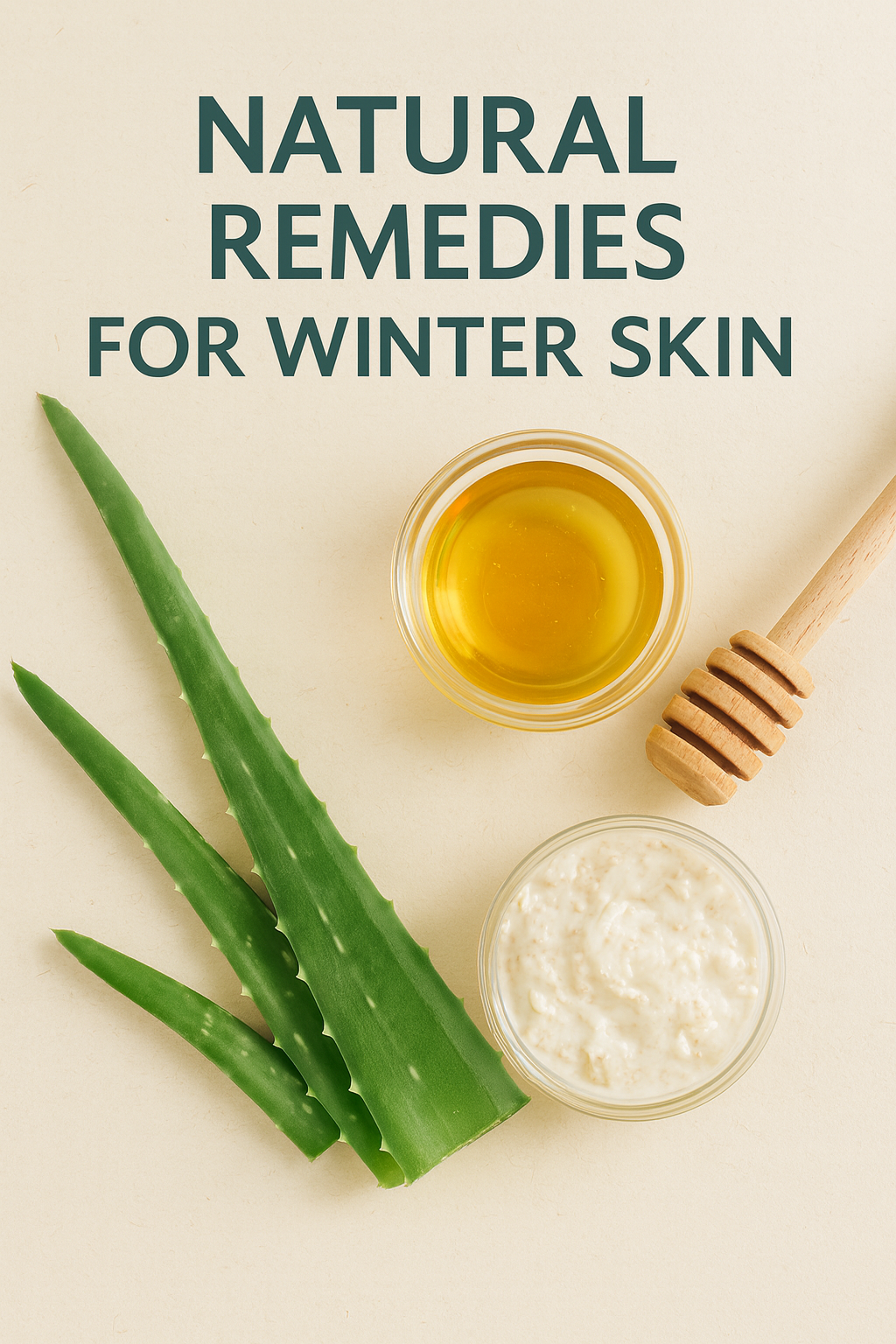
Diet & Hydration Tips for Healthy Winter Skin
Healthy winter skin begins from within. What you eat has a direct impact on how your skin looks and feels, especially during cold weather. While external skin care is important, internal nourishment provides long-lasting moisture and supports skin repair. A winter-friendly diet improves elasticity, reduces dryness, and enhances natural glow.
One essential nutrient for winter skin is healthy fats. Foods such as almonds, walnuts, cashews, flaxseeds, chia seeds, olive oil, and fatty fish (like salmon or sardines) contain omega-3 fatty acids that help maintain the skin’s natural barrier. Even vegetarians can enjoy excellent benefits by consuming seeds, nuts, and coconut.
Hydration is equally important. Many people drink less water during winter because they don’t feel thirsty. However, the body still loses moisture through breathing and dry indoor air. Aim to drink 6–8 glasses of water daily. Herbal teas, warm lemon water, and fresh soups also keep the body hydrated.
Vitamins play a vital role too. Vitamin E (from nuts, seeds, spinach), Vitamin A (from carrots, pumpkin, sweet potato), and Vitamin C (from oranges, guava, lemon) support collagen production and boost skin repair. These nutrients reduce dryness and brighten the skin naturally.
Including milk and curd in your diet also helps nourish the skin because they contain healthy fats and probiotics that support gut health. A healthy gut reflects on your skin, especially during winter.
Your winter diet should also include fruits rich in antioxidants such as pomegranate, berries, apples, and papaya. These fruits fight oxidative stress and protect the skin from dullness and premature aging.
In addition, limit caffeine and sugary foods because they dehydrate the skin. Instead, drink warm herbal infusions like chamomile, ginger, or tulsi tea, which calm the body and improve circulation.
A balanced winter diet improves skin softness, prevents dryness, and maintains a healthy glow. When combined with hydration and external skin care, your skin will stay nourished and radiant all season long.
A nutritious winter diet combined with these winter skin care homemade tips helps your skin remain strong, hydrated, and radiant.
Winter Skin Care – Key Tips Infographic (PDF)
A downloadable soft winter-themed infographic summarizing the best winter skin care homemade tips. Includes guidance on gentle cleansers, natural moisturizers, hydration, DIY face masks, and yoga practices for glowing skin.
Gentle Yoga Tips for Supporting Healthy, Glo
wing Winter Skin
Yoga supports winter skin care by improving blood circulation, reducing stress, balancing hormones, and enhancing oxygen flow to the skin. Practicing simple yoga poses daily boosts your internal warmth, strengthens immunity, and brings a natural glow to the face.
One of the most beneficial yoga practices is deep breathing (Pranayama). Techniques like Bhramari (humming bee breath), Anulom Vilom (alternate nostril breathing), and deep belly breathing calm the mind and improve oxygen flow. Proper oxygenation nourishes the skin from within, reducing dullness and dryness.
Neck stretches are also helpful because they release tension and improve blood circulation to the face. Slow rotations of the neck, gentle tilts, and shoulder rolls relieve stiffness caused by cold weather.
For improved overall skin health, practice gentle poses like:
✔ Cat-Cow Pose (Marjaryasana–Bitilasana)
Improves spine flexibility, releases tension, and boosts blood flow to the face.
✔ Child’s Pose (Balasana)
A calming pose that relaxes the mind, reducing stress-related dryness or breakouts.
✔ Forward Bend (Uttanasana)
Increases blood flow to the head and face, bringing fresh nutrients to the skin.
✔ Seated Twist (Ardha Matsyendrasana)
Supports digestion and detoxification, both essential for glowing skin.
✔ Legs Up the Wall (Viparita Karani)
Improves circulation and reduces swelling in the feet and lower legs.
Another wonderful yoga tip for winter is face yoga. Simple movements such as smiling widely, blowing air through your cheeks, raising your eyebrows, or gently tapping your face increase circulation and tighten the skin naturally.
Yoga also reduces stress — one of the major causes of dull skin. When the mind is peaceful, the skin looks healthier and more vibrant. Spending even 15 minutes in silent prayer or meditation brings inner peace, which reflects beautifully on the skin.
When practiced consistently, gentle yoga along with prayer strengthens your body, calms your mind, and enhances your natural winter glow. 
Frequently Asked Questions About Winter Skin Care
1. Why does my skin become so dry during winter?
Low humidity and cold air pull moisture from the skin, weakening its protective barrier.
2. How many times should I moisturize daily?
At least twice — once after bathing and once before bedtime.
3. Is coconut oil good for winter skin?
Yes, it nourishes deeply and prevents moisture loss.
4. Can drinking hot water improve my skin?
Warm water improves digestion and hydration, indirectly helping the skin.
5. Should I exfoliate during winter?
Yes, but gently — 1–2 times a week using natural scrubs like oatmeal.
6. Are long hot showers bad for winter skin?
Yes, they remove natural oils and worsen dryness.
7. How can seniors protect their skin in winter?
Use gentle oils, moisturize often, and avoid very hot water.
8. Does diet affect winter skin health?
Absolutely — hydration and nutritious foods help maintain glow and softness.
9. What is the best natural remedy for itchy skin?
Oatmeal paste or aloe vera gel.
10. How can I stop my lips from cracking?
Apply honey, ghee, or shea butter regularly and avoid licking the lips.
Key Takeaways
-
Winter skin needs extra hydration and nourishment.
-
Homemade natural remedies work effectively for dryness, dullness, and itching.
-
Regular oiling, face packs, and simple diet changes improve skin health.
-
Yoga enhances circulation, reduces stress, and boosts skin glow.
-
With consistent care, your skin stays soft and radiant throughout winter.

Conclusion — Winter Skin Care Homemade Tips for a Peaceful Season
Winter can be a challenging season for the skin, but with simple, natural, and thoughtful care, you can maintain softness, health, and inner comfort throughout the cold months. Homemade remedies, nourishing foods, and gentle yoga practices offer the safest and most effective ways to protect your skin. When approached patiently, winter skin care becomes a peaceful daily routine — a few minutes of self-care that refreshes both body and spirit.
How To Prevent Dry Skin This Winter
🌿 Support Yoga-Aid
If Yoga-Aid’s free yoga lessons and faith-rooted wellness tips bless your life, a small gift helps keep the site ad-free and makes new resources possible. You can give a one-time donation or a small recurring gift — every kindness matters.
Need a receipt or help? Email: vinorayen@gmail.com