


Please note this post may contain affiliate links and I may earn a commission if you click them and make a purchase. This is, of course, at no cost to you, and I only share products that I use and love myself. Please read my affiliate-disclosure for more information.
Should You Take a Cold Shower in Winter? Exploring the Pros, Cons, and Safe Practices
The thought of a cold shower in winter can be daunting. Yet, many advocate for its invigorating effects. But is braving the cold water in the colder months truly beneficial? This comprehensive guide delves into the world of cold showers in winter, examining the potential advantages and disadvantages. We’ll explore how cold water impacts your body, discuss the potential health benefits of cold showers in the winter, offer practical tips for safely incorporating cold water therapy into your routine, and highlight who should avoid this practice. Whether you’re curious about boosting your winter wellness or seeking natural ways to enhance your health, this guide will provide valuable insights into the practice of taking a cold shower in winter.
The Body’s Response to Cold Showers in Winter:
When cold water hits your skin, a series of physiological responses occur. Your body’s natural defense mechanism kicks in, activating the sympathetic nervous system. This leads to vasoconstriction, where blood vessels near the skin’s surface narrow to conserve core body heat. Your heart rate might increase slightly as your body works to maintain its internal temperature. Interestingly, cold showers in winter can also activate brown adipose tissue (BAT), a type of “good” fat that generates heat. This process, known as thermogenesis, can contribute to metabolic health. Understanding how your body reacts to cold showers in winter is crucial for practicing cold water therapy safely.
Potential Benefits of Cold Showers in Winter:
Despite the initial shock, cold showers in winter offer several potential benefits:
-
Improved Circulation: The initial vasoconstriction followed by vasodilation (widening of blood vessels) after the cold exposure can improve overall blood circulation. This improved circulation can deliver oxygen and nutrients more efficiently throughout the body.
-
Increased Alertness and Energy: A cold shower can act as a natural stimulant, triggering a surge of adrenaline and making you feel more alert and energized. This makes cold showers in winter an effective way to combat morning grogginess.
-
Mood Enhancement: Cold water immersion may stimulate the release of endorphins, neurochemicals associated with mood elevation and pain relief. This can lead to a feeling of well-being and reduced stress.
-
Potential Immune System Support: Some research suggests that regular cold showers might enhance the activity of white blood cells, which play a crucial role in immune function. While more research is needed, this suggests a potential link between cold showers in winter and immune system support.(1)
-
Potential Drawbacks and Considerations for Cold Showers in Winter:
While cold showers in winter offer potential advantages, it’s essential to acknowledge the potential drawbacks and considerations:
-
Initial Discomfort: The most obvious drawback is the initial discomfort of the cold water, especially during the colder months. This can be a significant barrier for many people.
-
Cardiovascular Stress: The sudden temperature change can put stress on the cardiovascular system. Individuals with heart conditions should consult their doctor before trying cold showers or cold plunges.
-
Shivering and Hypothermia Risk: Prolonged exposure to cold water can lead to shivering and, in extreme cases, hypothermia. It’s crucial to limit the duration of cold showers, especially in winter, and warm up thoroughly afterward.(2)
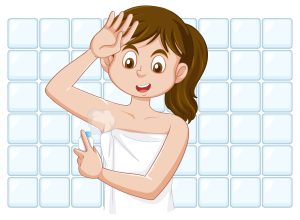
Illustration: Cold Shower Winter Benefits: Exploring the Pros, Cons, and Safe Practices
-
Who Should Avoid Cold Showers/Plunges:
Not everyone benefits from cold water therapy. Certain individuals should avoid cold showers and cold plunges or consult their doctor first:
-
Heart Conditions: Individuals with pre-existing heart conditions, high blood pressure, or a history of heart attacks should avoid the sudden stress that cold water places on the cardiovascular system.
-
Raynaud’s Phenomenon: This condition affects blood circulation, causing numbness and coldness in the extremities. Cold water can worsen these symptoms.
-
Cold Urticaria: This rare condition causes hives and other allergic reactions to cold exposure. People with cold urticaria should avoid cold water therapy.
-
Weakened Immune System: Those with compromised immune systems should consult their doctor before trying cold showers, as the body’s response to cold can further stress the immune system.
-
Anxiety or Panic Disorders: The shock of cold water can trigger anxiety or panic attacks. Proceed with caution or avoid cold water therapy if you have these conditions.
-
Pregnancy and Elderly: Pregnant women and elderly individuals should consult their doctor before trying cold water practices due to potential physiological changes and increased sensitivity to cold.(3)
-
How to Take a Cold Plunge Safely:
If you’re considering a cold plunge, prioritize safety and gradual adaptation:
-
Consult Your Doctor: This is especially important for individuals with any health concerns.
-
Start with Cold Showers: Acclimate your body to cold temperatures gradually before attempting a full plunge.
-
Prepare Your Environment: Have warm towels and clothing ready.
-
Begin with Short Immersion Times: Start with 1-2 minutes and gradually increase the duration.
-
Focus on Controlled Breathing: Deep breaths can help manage the initial shock.
-
Warm Up Thoroughly Afterward: Prevent shivering and hypothermia by warming up quickly.(4)
-
The Aftermath of a Cold Shower: What to Expect:
The effects of a cold shower extend beyond the immediate experience:
-
Increased Alertness: Expect a surge of energy and mental clarity. (Keywords woven: increased alertness, cold shower energy boost)
-
Mood Elevation (Potential): You might experience a sense of well-being due to endorphin release. (Keywords woven: mood elevation, cold shower mood benefits)
-
Post-Shower Warmth: A paradoxical warming sensation often follows as your body regulates its temperature. (Keywords woven: post-cold shower warmth)
-
Temporary Skin Redness: This is a normal vascular response.(5)
Infographic:Cold Shower Winter Benefits: Exploring the Pros, Cons, and Safe Practices

-
Yoga Practices to Complement Cold Water Therapy:
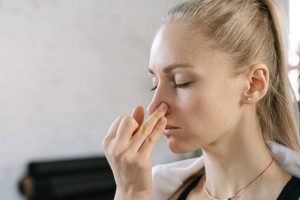
Yoga offers excellent tools for managing cold exposure and enhancing overall well-being:
-
Breathwork (Pranayama): Bhastrika (Bellows Breath) and Kapalabhati (Skull Shining Breath) generate internal heat.
-
Sun Salutations (Surya Namaskar): This dynamic sequence warms the body and improves circulation.
-
Standing Poses: Warrior poses and other standing asanas build strength and generate heat.
-
Mindfulness and Meditation: These practices help manage the mental discomfort of cold exposure.
Conclusion:
Cold showers in winter can offer potential benefits, but they are not for everyone. Understanding the effects of cold water on your body, practicing safe techniques, and considering complementary practices like yoga can help you make informed choices about your winter wellness routine.
Cold Shower winter benefits
Key Takeaways:
-
Cold showers in winter trigger a cascade of physiological responses, affecting circulation, alertness, mood, and potentially influencing immune function. Understanding these effects is key to safe practice.
-
While cold water therapy offers potential benefits like increased energy and mood elevation, it’s crucial to weigh these against the initial discomfort and potential risks, especially for individuals with heart conditions or other health concerns.
-
Gradual acclimation, appropriate safety precautions, and complementary practices like yoga can enhance the experience and minimize potential drawbacks of cold showers and cold plunges. Always prioritize listening to your body and consulting your doctor if you have any doubts.
References:
1) Here’s how to take the plunge into ice baths
https://www.health.harvard.edu/staying-healthy/the-big-chill
2) Benefits of cold shower
https://www.starhealth.in/blog/cold-shower/
3) Are cold showers in the winter good?
https://www.hindustantimes.com/lifestyle/health/are-cold-showers-in-the-winter-good-101669544386459.html
4) Cold Showers vs. Hot Showers: Which One Is Better?
https://www.healthline.com/health/cold-shower-vs-hot-shower
5) Cold Shower Benefits for Your Health
https://www.healthline.com/health/cold-shower-benefits
Can Cold Showers Change Your Life?
Dive deeper into the world of cold showers! This video from SciShow and Gravity Transformation explore the potential benefits and practicalities of cold showers in winter:
30 Days of Cold Showers: Results
Curious about the potential impact of cold showers? Check out this informative video exploring the science and experiences of cold water therapy:
[contact-form-7 id=”0409447″ title=”Yoga Aid”]
🌿 Support Yoga-Aid
If Yoga-Aid’s free yoga lessons and faith-rooted wellness tips bless your life, a small gift helps keep the site ad-free and makes new resources possible. You can give a one-time donation or a small recurring gift — every kindness matters.
Need a receipt or help? Email: vinorayen@gmail.com
Scan to give via PayPal
Thank you 💚 — Your kindness keeps Yoga-Aid freely available to readers seeking health, hope and faith.


