


Please note this post may contain affiliate links and I may earn a commission if you click them and make a purchase. This is, of course, at no cost to you, and I only share products that I use and love myself. Please read my affiliate-disclosure for more information.
Tea Tree Oil for Psoriasis: Benefits, Uses, and Effective Tips
Psoriasis is a chronic autoimmune skin condition that causes red, inflamed patches on the skin. Managing psoriasis can be difficult, but natural remedies like tea tree oil are gaining attention for their soothing effects. In this article, we explore how tea tree oil for psoriasis can help, how to use it safely, and other natural remedies to soothe your skin.
What Is Tea Tree Oil?
Tea tree oil is an essential oil extracted from the leaves of the Melaleuca alternifolia plant, native to Australia. Known for its anti-inflammatory, antifungal, and antibacterial properties, tea tree oil is widely used in skincare to address various conditions, including psoriasis.
How Does Tea Tree Oil Help Psoriasis?
While tea tree oil cannot cure psoriasis, it offers multiple benefits that help alleviate symptoms:(1)
-
Tea tree oil is known for its anti-inflammatory, antibacterial, and antifungal properties, which make it a promising remedy for managing psoriasis symptoms. Here’s how it can assist in relieving the discomfort of this skin condition:(2)
-
Reduces Inflammation
The anti-inflammatory properties of tea tree oil can help reduce redness, swelling, and itching, which are common symptoms of psoriasis. -
Fights Infections
Psoriasis patches are often susceptible to infections, but the antibacterial benefits of tea tree oil can help prevent these infections from worsening. -
Soothes Itchy Skin
The cooling effect of tea tree oil can provide relief from the persistent itching that often accompanies psoriasis flare-ups.(3)
-
Home Remedies for Psoriasis
Along with tea tree oil, there are several other natural remedies that can help manage psoriasis symptoms:(4)
-
Aloe Vera Gel:
Aloe vera is known for its soothing and moisturizing properties, which help calm irritated skin and reduce scaling.
-
Dead Sea Salt Baths:
Adding Dead Sea salts to a warm bath helps exfoliate dead skin cells and reduce scaling. Soak for 15-20 minutes and follow up with a hydrating moisturizer.(5)
3. Apple Cider Vinegar Rinses:
Used in diluted form, apple cider vinegar can relieve itching and help with scalp psoriasis.
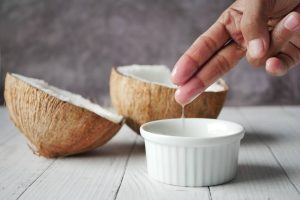
4. Coconut Oil Moisturization:
Applying coconut oil to the skin can lock in moisture and reduce dryness, a common symptom of psoriasis.(6)
How to Use Tea Tree Oil for Psoriasis
Using tea tree oil properly is essential for safety and effectiveness. Here are some popular ways to incorporate it into your psoriasis care routine:(7)
-
Diluted Tea Tree Oil Application
-
Mix 2-3 drops of tea tree oil with 1 tablespoon of a carrier oil like coconut or olive oil.
-
Gently apply the mixture to the affected areas and leave it on for 15-20 minutes before rinsing with lukewarm water.
-
-
Tea Tree Oil in Bathwater
-
Add 5-10 drops of tea tree oil to a warm bath.
-
Soak for 15-20 minutes to soothe inflamed skin and alleviate itching.
-
-
Tea Tree Oil in Shampoo
-
Add 5-6 drops of tea tree oil to your regular shampoo.
-
Massage into your scalp for 5-10 minutes before rinsing. This can be especially helpful for scalp psoriasis.(8)
-
Precautions When Using Tea Tree Oil for Psoriasis
While tea tree oil can be beneficial, it’s essential to use it safely. Here are some precautions:(9)
-
Always dilute tea tree oil with a carrier oil to avoid skin irritation.
-
Do a patch test before applying it to larger areas.
-
Avoid using tea tree oil on open wounds or severe psoriasis lesions.
-
Consult a dermatologist if you experience any adverse reactions.(10)
Is There Medical Treatment for Psoriasis? If So, What Are They?
Yes, medical treatments for psoriasis are available and often used in combination with natural remedies for better results:
-
Topical Treatments:
-
Corticosteroids: Reduce inflammation and scaling.
-
Vitamin D Analogues: Slow down the skin cell turnover.
-
Salicylic Acid: Exfoliates scales and improves skin texture.
-
-
Phototherapy:
-
UVB light therapy helps reduce psoriasis symptoms by slowing skin cell growth.
-
-
Systemic Medications:
-
Biologics: Target specific immune responses causing psoriasis.
-
Methotrexate: Suppresses the immune system to control severe psoriasis.
-
-
Newer Treatments:
-
Small molecule inhibitors like Apremilast offer targeted relief with fewer side effects.
-
Different Types of Psoriasis
Psoriasis manifests in various forms, and recognizing the type is essential for effective treatment:
-
Plaque Psoriasis:
The most common type, characterized by raised, red patches with silvery scales.
-
Guttate Psoriasis:
Small, drop-shaped sores that typically appear after infections like strep throat.
-
Inverse Psoriasis:
Found in skin folds (e.g., under the breasts or around the groin), with smooth and shiny lesions.
-
Pustular Psoriasis:
Causes white pustules surrounded by inflamed skin.
-
Erythrodermic Psoriasis:
A severe, rare form marked by widespread redness, shedding, and discomfort.
Yoga Tips to Soothe Psoriasis Symptoms

Yoga can play a role in managing psoriasis by reducing stress, a known trigger for flare-ups. Here are some yoga poses that can help:
-
Balasana (Child’s Pose):
This calming pose helps to reduce stress and relax the body, making it a great choice for supporting psoriasis relief.
-
Savasana (Corpse Pose):
Practicing this relaxation pose helps reduce cortisol levels and promotes overall well-being.
-
Ardha Matsyendrasana (Half Spinal Twist):
This pose improves digestion and detoxifies the body, contributing to healthier skin. Hold for 1-2 minutes on each side.
Conclusion
By incorporating tea tree oil for psoriasis into your skincare routine and practicing yoga regularly, you can take a natural approach to managing psoriasis symptoms.
Key Takeaways
-
Tea tree oil has anti-inflammatory and antibacterial properties that may help manage psoriasis symptoms.
-
Common methods include diluted application, bath soaks, and adding tea tree oil to shampoos.
-
Always dilute tea tree oil and perform a patch test before use.
Incorporating tea tree oil for psoriasis can be a natural way to find relief, but it’s important to use it cautiously and consult your healthcare provider if needed.
FAQs About Tea Tree Oil for Psoriasis
-
Can Tea Tree Oil Cure Psoriasis?
No, tea tree oil cannot cure psoriasis, but it can help manage symptoms like inflammation, itching, and flakiness.
-
How Often Should I Use Tea Tree Oil for Psoriasis?
Using tea tree oil 2-3 times a week is usually sufficient. Overuse may lead to skin irritation.
-
Is Tea Tree Oil Safe for Scalp Psoriasis?
Yes, when diluted properly, tea tree oil is safe for scalp psoriasis and can help reduce itchiness and flakes.
-
What Carrier Oils Work Best with Tea Tree Oil?
Popular carrier oils include coconut oil, jojoba oil, and olive oil due to their moisturizing properties.
Illustration: How To Use Tea Tree Oil For Psoriasis
Unlocking Relief: Can Tea Tree Oil Tame Psoriasis Symptoms? Checkout the video below
References:
1) Can you use essential oils to treat psoriasis?
https://www.healthline.com/health/essential-oils-for-psoriasis#tea-tree-oil
2) Can tea tree oil help treat psoriasis?
https://www.medicalnewstoday.com/articles/314496
3) Tea Tree Oil: Psoriasis Healer?
https://www.healthline.com/health/psoriasis/can-tea-tree-oil-help
4) Your Guide to Tea Tree Oil for Psoriasis
https://www.healthcentral.com/condition/psoriasis/tea-tree-oil-for-psoriasis
5) 12 home remedies for treating psoriasis
https://www.medicalnewstoday.com/articles/314525
6) Alternative Ways to Treat Psoriasis
https://www.webmd.com/skin-problems-and-treatments/psoriasis/psoriasis-alternative-treatments
7) Can Tea Tree Oil Help Psoriasis?
https://www.mypsoriasisteam.com/resources/can-tea-tree-oil-help-psoriasis
8) Tea tree oil as a novel antipsoriasis weapon
https://pubmed.ncbi.nlm.nih.gov/22473218/
9) A review of the toxicity of Melaleuca alternifolia (tea tree) oil
https://pubmed.ncbi.nlm.nih.gov/16243420/
10) Safety, efficacy and provenance of tea tree (Melaleuca alternifolia) oil
https://pubmed.ncbi.nlm.nih.gov/11553113/
[contact-form-7 id=”0409447″ title=”Yoga Aid”]
🌿 Support Yoga-Aid
If Yoga-Aid’s free yoga lessons and faith-rooted wellness tips bless your life, a small gift helps keep the site ad-free and makes new resources possible. You can give a one-time donation or a small recurring gift — every kindness matters.
Need a receipt or help? Email: vinorayen@gmail.com

Scan to give via PayPal
Thank you 💚 — Your kindness keeps Yoga-Aid freely available to readers seeking health, hope and faith.


