


Please note this post may contain affiliate links and I may earn a commission if you click them and make a purchase. This is, of course, at no cost to you, and I only share products that I use and love myself. Please read my affiliate-disclosure for more information.
Effective Exercises for Vertigo: Regain Your Balance Naturally
Understanding Vertigo and How Exercises Can Help
Vertigo is a common condition that causes a sensation of spinning or dizziness, often accompanied by nausea and imbalance. It can significantly impact daily life, making even simple tasks challenging. Vertigo is usually caused by issues in the inner ear, such as benign paroxysmal positional vertigo (BPPV), vestibular neuritis, or Meniere’s disease. For those seeking natural remedies, specific exercises for vertigo can offer effective relief by improving balance and reducing symptoms.
These exercises work by retraining your brain to adapt to changes in your inner ear and restoring equilibrium. From the Epley Maneuver to yoga poses, incorporating these techniques can improve your quality of life. By following these simple yet powerful exercises, you can regain control over your body and enjoy better stability and confidence. Let’s dive into some of the best exercises for vertigo that are both practical and easy to perform at home.
Top 7 Exercises to Manage Vertigo Symptoms Effectively
-
Epley Maneuver: The Epley Maneuver is a highly effective exercise for vertigo caused by BPPV. It involves a series of specific head and body movements designed to reposition calcium crystals in your inner ear. To perform this exercise, sit on a bed, turn your head 45 degrees to the affected side, and lie back quickly. After a short pause, rotate your head 90 degrees in the opposite direction and roll onto your side before sitting up. Repeat this 2-3 times daily to alleviate symptoms. This is one of the best exercises for vertigo relief, especially for inner ear conditions.(1)
-
Brandt-Daroff Exercises: These exercises are designed to help your brain adapt to vertigo sensations. Start by sitting on a bed, turn your head 45 degrees, and lie down on the opposite side. Hold the position for 30 seconds or until the dizziness subsides. Return to sitting and repeat on the other side. Perform 5-10 repetitions twice daily for the best results. These balance exercises for vertigo improve stability over time.
-
Semont Maneuver: The Semont Maneuver is another quick method to relieve BPPV symptoms. Sit upright on a flat surface, turn your head 45 degrees, and lie down quickly on your opposite side. After 30 seconds, switch to lying on the other side without changing the position of your head. This helps dislodge particles causing vertigo and is an effective natural remedy for vertigo.
-
Cawthorne-Cooksey Exercises: These balance-focused exercises involve head and eye movements that train your brain to manage dizziness. Start by nodding your head up and down, then side to side, and progress to more dynamic movements. Gradually increase the complexity of the exercises as your symptoms improve. These inner ear exercises are great for managing dizziness.
-
Yoga for Vertigo: Yoga poses like Child’s Pose (Balasana), Downward Dog (Adho Mukha Svanasana), and Tree Pose (Vrikshasana) are gentle yet effective ways to improve balance and reduce vertigo symptoms. Yoga for vertigo not only promotes relaxation but also strengthens the vestibular system, making it an excellent natural remedy for vertigo.
-
Walking Heel-to-Toe: This simple exercise strengthens your balance and coordination. Walk in a straight line, placing one foot directly in front of the other, heel to toe. Focus on keeping your posture upright and your gaze steady. Repeat this daily to enhance your stability. This is one of the easiest exercises to reduce vertigo at home.
-
Tai Chi Movements: Tai Chi is an ancient Chinese practice that emphasizes slow, deliberate movements and deep breathing. It’s known for improving balance, flexibility, and overall well-being. Incorporating Tai Chi into your routine can help reduce vertigo symptoms and prevent falls. Tai Chi is also a natural remedy for dizziness.
Benefits of These 7 Exercises for Vertigo

Incorporating these 7 exercises into your routine can offer a wide range of physical and mental benefits, helping you regain control over your life. Here’s how each contributes to managing vertigo effectively:(2)
-
Improved Balance: Exercises like the Epley Maneuver and Tai Chi strengthen your vestibular system, promoting better equilibrium and reducing dizziness.
-
Reduced Vertigo Symptoms: Techniques such as the Semont Maneuver and Brandt-Daroff Exercises are specifically designed to alleviate vertigo by repositioning inner ear particles causing disorientation.
-
Enhanced Coordination: Practices like the Walking Heel-to-Toe exercise refine your body’s motor skills, making daily activities smoother and safer.
-
Stress Relief: Yoga poses such as Child’s Pose and Downward Dog provide relaxation, which can significantly reduce stress-induced vertigo symptoms.
-
Holistic Well-Being: Tai Chi and yoga not only improve physical balance but also contribute to mental clarity and emotional stability through their meditative aspects.
-
Adaptation to Dizziness: Cawthorne-Cooksey Exercises retrain your brain to handle dizziness more effectively, fostering resilience over time.
-
Safe and Natural Relief: These exercises are non-invasive, making them a natural alternative to medications, with minimal risk and maximum benefit.
By practicing these exercises consistently, you can enjoy better stability, reduced vertigo episodes, and a renewed sense of confidence in your movements.
Additional Tips for Managing Vertigo Naturally

Managing vertigo involves more than just exercises; adopting a holistic approach can provide long-term relief. Here are some tips:(3)
-
Stay Hydrated: Dehydration can worsen dizziness. Aim to drink at least 8 glasses of water daily to manage vertigo symptoms naturally.
-
Avoid Triggers: Identify and avoid triggers like sudden head movements, bright lights, or certain foods that can worsen your symptoms. This is a crucial part of managing dizziness effectively.
-
Maintain a Healthy Diet: Incorporate foods rich in magnesium and vitamin D, which support inner ear health. These dietary changes act as natural remedies for vertigo.
-
Regular Physical Activity: Engage in light exercises like walking or yoga to keep your body active and reduce vertigo episodes. Exercises for vertigo, combined with physical activity, provide comprehensive relief.
-
Rest and Relaxation: Stress can exacerbate vertigo. Practices like meditation, deep breathing, or progressive muscle relaxation can help keep your symptoms in check. These lifestyle tips for vertigo support overall well-being.
By combining these lifestyle changes with targeted exercises, you can effectively manage vertigo and lead a balanced life.
Conclusion:
Regain Balance and Confidence with Simple Exercises
Living with vertigo can be challenging, but with the right approach, it’s possible to regain balance and confidence. Exercises like the Epley Maneuver, yoga poses, and Tai Chi movements are powerful tools to reduce vertigo symptoms and improve stability. Combined with healthy lifestyle practices, these exercises can transform your life and restore your sense of well-being.
If you’re ready to take the first step, start incorporating these exercises into your daily routine. Remember, consistency is key. With time and dedication, you can overcome vertigo and embrace a life of balance and vitality. Exercises for vertigo, paired with a healthy lifestyle, are your pathway to recovery.
Key Takeaways:
Effective Strategies to Manage Vertigo
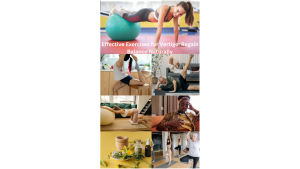
Managing vertigo effectively requires a holistic approach, combining targeted exercises for vertigo with lifestyle adjustments. Incorporating movements like the Epley Maneuver, Cawthorne-Cooksey Exercises, and yoga for vertigo can help retrain your brain, reduce dizziness, and enhance balance. These natural remedies for vertigo are safe and can be practiced at home to alleviate symptoms. Complement these exercises with proper hydration, a nutrient-rich diet, and relaxation techniques to maintain overall well-being. By staying consistent and proactive, you can regain stability and lead a more confident life free from vertigo.
Infographic:
FAQs: Your Questions About Vertigo Answered
Q1: What is the best exercise for vertigo relief?
A: The Epley Maneuver is one of the most effective exercises for vertigo, especially for those with BPPV. It helps reposition calcium particles in the inner ear, reducing dizziness and restoring balance.
Q2: Can yoga help with vertigo symptoms?
A: Yes, yoga poses like Child’s Pose, Tree Pose, and Downward Dog are excellent for improving balance and calming the nervous system, making them beneficial for vertigo relief.
Q3: How often should I do vertigo exercises?
A: It’s recommended to perform vertigo exercises, such as the Epley Maneuver or Brandt-Daroff Exercises, 2-3 times daily or as advised by a healthcare professional for best results.
Q4: Are there natural remedies for vertigo?
A: Yes, natural remedies include balance exercises, maintaining hydration, eating magnesium-rich foods, and practicing stress-relief techniques like meditation or Tai Chi.
Q5: How long does it take to see improvement with these exercises?
A: The timeline varies depending on the severity of vertigo and consistency in practicing the exercises. Most people notice improvements within a few days to weeks of regular practice.
Q6: Is vertigo a serious condition?
A: While vertigo can be uncomfortable and impact daily life, it’s often not life-threatening. However, persistent or severe symptoms should be evaluated by a healthcare professional to rule out underlying conditions.
Recommendations: Exercises to Avoid and Why
While exercises can greatly help in managing vertigo, certain movements might worsen symptoms or pose risks. It’s essential to know what to avoid:
-
High-Intensity Workouts: Strenuous activities like heavy weightlifting, intense cardio, or spinning classes can strain your body and exacerbate dizziness.
-
Sudden Head Movements: Exercises involving rapid head turns, like some dance routines or sports drills, can trigger vertigo symptoms.
-
Inverted Poses in Yoga: While yoga is beneficial, poses like the headstand or shoulder stand might increase pressure on the inner ear, aggravating vertigo.
-
Balance-Challenging Activities: Avoid activities requiring extreme balance, such as tightrope walking or advanced gymnastics, which might lead to falls.
Why Avoid These?
These exercises can overstimulate the vestibular system or lead to further disorientation, increasing the risk of injury. It’s vital to listen to your body and stick to low-impact, steady exercises that promote balance and stability without causing discomfort.
Safety and Precautionary Measures for Vertigo Exercises

To ensure the effectiveness and safety of your vertigo exercise routine, follow these precautionary measures:
-
Consult a Healthcare Professional: Always seek advice from a doctor or physiotherapist before starting any new exercise for vertigo. They can guide you based on your specific condition.(4)
-
Start Slowly: Begin with low-intensity exercises and gradually increase complexity as your balance improves.
-
Use Support: Practice near a wall, chair, or sturdy surface to provide additional stability in case of dizziness.
-
Avoid Overexertion: Stop immediately if you feel excessively dizzy, nauseous, or uncomfortable during an exercise.
-
Stay Hydrated: Dehydration can worsen vertigo. Drink water before, during, and after your workout.
-
Choose a Safe Environment: Perform exercises in a quiet, well-lit area with minimal distractions to reduce sensory overload.
-
Have a Companion Nearby: If you’re new to vertigo exercises, having someone nearby for support can prevent falls and boost confidence.
Practicing these precautions will not only enhance the effectiveness of your exercises but also ensure a safer path to recovery.
References:
1) harmacological treatment of vertigo
https://pubmed.ncbi.nlm.nih.gov/12521357/
2) Pathogenesis, Diagnosis, and Treatment of Cervical Vertigo
https://pubmed.ncbi.nlm.nih.gov/26218949/
3) Benign paroxysmal positional vertigo in the elderly: current insights
https://pubmed.ncbi.nlm.nih.gov/30464434/
4) Benign Paroxysmal Positional Vertigo: What We Do and Do Not Know
https://pubmed.ncbi.nlm.nih.gov/31935770/
🌿 Support Yoga-Aid
If Yoga-Aid’s free yoga lessons and faith-rooted wellness tips bless your life, a small gift helps keep the site ad-free and makes new resources possible. You can give a one-time donation or a small recurring gift — every kindness matters.
Need a receipt or help? Email: vinorayen@gmail.com

Scan to give via PayPal
Thank you 💚 — Your kindness keeps Yoga-Aid freely available to readers seeking health, hope and faith.


