


This post contains affiliate links. When you buy through these links, I may earn a commission. Learn more....
What is the best way to clean a yoga mat?
The Ultimate Guide to Cleaning Your Yoga Mat: Best Practices and Tips
Maintaining a clean yoga mat is essential for both hygiene and the longevity of the mat itself. Whether you’re a seasoned yogi or a beginner, understanding the best ways to clean your yoga mat will not only keep it fresh and odor-free but also enhance your overall yoga experience. Below is a detailed guide on how to clean your yoga mat effectively, structured to help you achieve better search engine rankings.
Why Regularly Cleaning Your Yoga Mat is Crucial
-
Hygiene and Health
Over time, yoga mats accumulate sweat, dirt, and bacteria from regular use. This buildup can lead to unpleasant odors and even skin infections if not properly cleaned. Regular cleaning minimizes these risks, ensuring that your practice remains safe and hygienic.
-
Extending the Lifespan of Your Mat
Yoga mats, especially those made from natural materials like rubber, can deteriorate if not properly maintained. By cleaning your mat regularly, you prevent the breakdown of materials, thereby extending its lifespan and maintaining its grip and cushioning properties.
-
Enhancing Your Practice
A clean mat provides a better grip and a more pleasant experience. There’s nothing worse than trying to hold a pose on a slippery or foul-smelling mat. Regular cleaning keeps the surface of your mat sticky and comfortable, making your practice more enjoyable.
Choosing the Right Cleaning Method for Your Yoga Mat
-
Identify the Material of Your Mat
Yoga mats are made from various materials like PVC, TPE, natural rubber, or cork. Each material has different care requirements, so understanding what your mat is made of is the first step in choosing the right cleaning method.
-
Daily Wipe-Downs
After each practice, it’s advisable to wipe down your mat with a damp cloth. For extra freshness, you can use a gentle cleaning solution made of water and a few drops of mild dish soap or a specialized yoga mat cleaner. This prevents sweat and grime from settling into the mat, making deep cleaning sessions easier.
-
Deep Cleaning for a Thorough Refresh
Depending on the frequency of use, aim to deep clean your mat at least once a month. Here’s how:
-
For PVC or TPE Mats: Mix warm water with a few drops of mild dish soap. Use a soft cloth or sponge to gently scrub the surface. Rinse thoroughly with clean water and allow the mat to air dry completely.
-
For Natural Rubber Mats: Avoid using soap as it can break down the rubber over time. Instead, use a mixture of water and vinegar or lemon juice. Spray the solution onto the mat and wipe it down with a damp cloth. Again, air dry completely to avoid any moisture buildup.
-
For Cork Mats: Cork naturally resists mold and mildew, so it usually requires less cleaning. Use a water and vinegar solution or a specialized cork mat cleaner. Wipe it down and let it air dry.
-
-
Using a Washing Machine
Some yoga mats are machine-washable, particularly those made from synthetic materials like PVC. If your mat’s manufacturer instructions allow for it, wash the mat on a gentle cycle with cold water and mild detergent. However, never put your mat in the dryer. Instead, hang it to air dry, preferably out of direct sunlight to prevent material degradation.
Tips for Drying Your Yoga Mat
-
Air Drying is Key
After cleaning, it’s vital to dry your mat completely before rolling it up. Hanging your mat or laying it flat in a well-ventilated area ensures it dries evenly. Avoid direct sunlight, as it can cause fading or cracking, especially in mats made from natural materials.
-
Avoid Moisture Traps
Rolling up a damp mat can lead to the growth of mold and mildew. Always ensure that your mat is completely dry before storing it to avoid any unpleasant odors or health hazards.
Maintaining Your Yoga Mat Between Cleanings
-
Use a Yoga Towel
Placing a towel over your mat during practice can absorb sweat and minimize the need for frequent cleanings. Towels are much easier to wash and can protect your mat from excessive wear.
-
Storage Solutions
Store your mat in a cool, dry place when not in use. Avoid leaving it in the car or exposed to direct sunlight, as heat can break down the materials over time.
-
Regular Inspections
Periodically check your mat for signs of wear and tear. If you notice any peeling, cracks, or thinning areas, it might be time to invest in a new mat. A well-maintained mat enhances your practice, but an overly worn mat could lead to injury.
Conclusion: Keep Your Yoga Mat Clean and Your Practice Strong
Cleaning your yoga mat regularly not only prolongs its life but also ensures that your practice remains safe and enjoyable. By following these tips, you’ll maintain a fresh, hygienic mat that supports your health and enhances your yoga sessions. Remember, a clean mat is a happy mat!
The Items required
-
Soft Cloth: Ideal for cleaning your mat, a soft cloth is essential. We opted for microfiber cloths from Amazon Basics, but any soft fabric will work just fine.
-
Spray Bottle: This tool helps you distribute a homemade cleaning solution evenly, whether you’re doing a routine wipe-down or addressing specific spots.
-
White Vinegar: This ingredient is great for cleaning, deodorizing, and providing a light disinfectant effect.
-
Mild Dish Soap: When mixed with water, mild dish soap helps lift dirt and oils without harshness. Any gentle dish soap will do, though we prefer brands like Dawn or Seventh Generation Dish Liquid.
-
Tea Tree Oil: While optional, tea tree oil can be added to your vinegar solution. Though its antimicrobial and antifungal properties might be minimal in this mixture, it does enhance the scent of your Cleaner.
-
If a homemade cleaning method isn’t your preference, you can choose from a variety of commercial mat washes. For example, we recommend JadeYoga’s specialized mat wash, which we’ve used with great success on the JadeYoga Harmony Mat, our top pick for yoga mats.
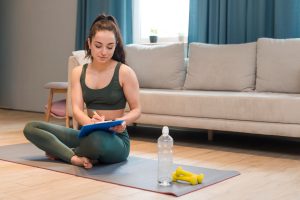
How do you clean a 100% rubber yoga mat?
A Comprehensive Guide
Cleaning your 100% rubber yoga mat is essential for maintaining its durability, hygiene, and performance. Given that rubber is a natural material, it requires specific care to preserve its integrity while ensuring it remains free from dirt, sweat, and bacteria. This guide will walk you through the best practices for cleaning and maintaining your rubber yoga mat, ensuring it stays in top condition for years to come.
Why Cleaning Your Rubber Yoga Mat is Important
Before diving into the cleaning process, it’s crucial to understand why regular maintenance of your yoga mat is necessary.
-
Hygiene: Sweat, dirt, and oils from your skin can accumulate on the surface, creating a breeding ground for bacteria and unpleasant odors.
-
Longevity: Regular cleaning prevents the buildup of debris that can wear down the rubber over time.
-
Performance: A clean mat provides better grip and comfort, enhancing your overall yoga experience.
-
Aesthetic Appeal: Keeping your mat clean ensures it looks fresh and inviting every time you unroll it.
Step-by-Step Guide to Cleaning Your Rubber Yoga Mat
1. Gather Your Cleaning Supplies
To clean your rubber yoga mat, you’ll need the following items:
-
A soft cloth or sponge
-
Mild dish soap or a specialized yoga mat cleaner
-
A spray bottle filled with water
-
A towel for drying
2. Prepare a Cleaning Solution
Mix a small amount of mild dish soap with water in your spray bottle. If you prefer, you can use a specialized yoga mat cleaner formulated for rubber mats. Ensure that any cleaning product you use is free from harsh chemicals, as these can degrade the rubber.
3. Spot Cleaning for Light Dirt and Stains
-
Spray the cleaning solution directly onto the mat, focusing on any visible dirt or stains.
-
Gently wipe the mat with a soft cloth or sponge in circular motions.
-
Pay extra attention to areas that come into frequent contact with your hands and feet, as these tend to accumulate more sweat and oils.
4. Deep Cleaning for Thorough Maintenance
For a more thorough clean:
-
Lay the mat flat on a clean surface.
-
Spray the entire surface with your cleaning solution, ensuring it’s evenly coated.
-
Allow the solution to sit for a few minutes to break down any grime.
-
Use a soft cloth or sponge to scrub the mat gently, applying a bit more pressure on stubborn spots.
5. Rinsing the Mat
After scrubbing:
-
Wipe the mat down with a damp cloth to remove any soap residue.
-
Avoid soaking the mat in water, as excessive moisture can weaken the rubber over time.
6. Drying Your Mat
Proper drying is crucial to prevent mold and mildew:
-
Roll the mat in a dry towel to absorb excess water.
-
Unroll the mat and hang it over a shower rod or lay it flat in a well-ventilated area.
-
Ensure both sides of the mat are completely dry before rolling it up for storage.
Tips for Maintaining Your Rubber Yoga Mat
1. Regular Wipe Downs
After each practice, wipe down your mat with a damp cloth to remove sweat and oils. This quick step helps maintain cleanliness and extends the time between deep cleans.
2. Avoid Direct Sunlight
While drying your mat, keep it away from direct sunlight, as UV rays can cause the rubber to become brittle and crack over time.
3. Use a Mat Bag
Store your mat in a breathable mat bag when not in use. This protects it from dust and dirt while allowing air circulation to prevent moisture buildup.
4. Rotate Your Mat
To prevent uneven wear, occasionally rotate your mat so that different areas receive the most use.
Common Mistakes to Avoid When Cleaning a Rubber Yoga Mat
1. Using Harsh Chemicals
Avoid cleaners that contain alcohol, bleach, or essential oils, as these can damage the rubber and reduce the mat’s lifespan.
2. Soaking the Mat
Submerging your mat in water or using too much liquid can lead to waterlogging, making it difficult to dry and increasing the risk of mold.
3. Skipping the Drying Process
Never roll up or store your mat while it’s still damp, as this can create a musty smell and promote the growth of mildew.
Conclusion
Regularly cleaning your 100% rubber yoga mat not only extends its life but also ensures a more hygienic and pleasant yoga experience. By following the steps outlined above, you can keep your mat in pristine condition, ready to support you through countless practices. Remember, a clean mat is a happy mat, contributing to both your physical and mental well-being during your yoga sessions.
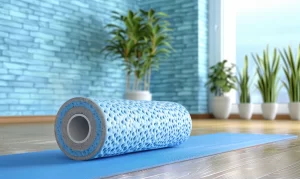
When should I clean my Yoga Mat?
The Ultimate Guide to Cleaning Your Yoga Mat: When and Why It Matters
Keeping your yoga mat clean is essential for both your practice and your health. Yoga mats can harbor dirt, sweat, and bacteria, which can affect your performance and pose potential health risks. But the question remains: When exactly should you clean your yoga mat? In this comprehensive guide, we will explore the factors that determine the best time to clean your yoga mat, how often you should do it, and the methods to keep it in top condition.
1. Why Cleaning Your Yoga Mat is Essential
Before diving into the specifics of when to clean your yoga mat, it’s important to understand why regular cleaning is crucial. Here are some key reasons:
-
Hygiene: Yoga mats can accumulate bacteria, sweat, skin oils, and dirt, leading to unpleasant odors and potential skin infections.
-
Longevity: Regular cleaning extends the life of your mat by preventing the breakdown of its material due to accumulated grime and sweat.
-
Better Grip: A clean mat provides better traction, preventing slips and enhancing your practice.
-
Mental Clarity: Practicing on a clean mat promotes a clear mind and enhances the overall yoga experience.
2. When to Clean Your Yoga Mat: Key Indicators
The frequency of cleaning your yoga mat depends on several factors, including the intensity of your practice, the environment in which you practice, and your personal hygiene. Here are some indicators that it’s time to clean your mat:
2.1 After Every Practice (For Intensive Users)
If you practice yoga frequently or engage in hot yoga or high-intensity workouts, it’s advisable to clean your mat after every session. The excessive sweat and moisture from these activities can quickly lead to bacterial growth, making it essential to sanitize your mat regularly.
-
Hot Yoga: The high temperatures and humidity levels in hot yoga sessions create a breeding ground for bacteria. Wiping down your mat after each session is a must.
-
Daily Practice: If you’re on your mat every day, even for gentle yoga, daily cleaning will keep it fresh and hygienic.
2.2 Weekly Cleaning (For Moderate Users)
For those who practice yoga a few times a week, a thorough cleaning once a week should suffice. This schedule prevents dirt buildup and keeps your mat in good condition without over-washing it, which can wear it out faster.
-
Regular Practice: If you practice yoga 2-3 times a week, clean your mat once a week to remove sweat and oils that can accumulate over multiple sessions.
2.3 Monthly Cleaning (For Occasional Users)
If you only use your yoga mat occasionally, a deep clean once a month is typically sufficient. However, always inspect your mat after each use, and if it feels sticky, looks dirty, or has an unpleasant odor, don’t wait until your next scheduled cleaning.
-
Infrequent Practice: For those who practice yoga less than once a week, a monthly cleaning routine should be enough to maintain the mat’s hygiene.
3. Special Cases: When to Clean Your Mat Immediately
While regular cleaning routines are essential, certain situations call for immediate action. Here are some instances where you should clean your yoga mat right away:
3.1 After Illness
If you’ve been sick, it’s crucial to clean your mat thoroughly before using it again. This prevents the spread of germs and ensures a healthy practice environment.
3.2 When Practicing Outdoors
If you take your yoga practice outside, your mat is likely to come into contact with dirt, grass, or sand. Clean your mat as soon as you get home to remove any debris and potential allergens.
3.3 Post-Group Classes
In group yoga sessions, mats are often laid on shared surfaces, increasing the risk of contamination. After attending a class, especially in a public or shared space, it’s a good idea to clean your mat to remove any germs it may have picked up.
4. How to Clean Your Yoga Mat: Tips for Different Materials
Now that you know when to clean your yoga mat, it’s equally important to understand how to do it properly. Different materials require different cleaning methods. Here’s a quick guide:
-
PVC Mats: Use a gentle soap or yoga mat cleaner with a soft cloth. Avoid harsh chemicals that can degrade the material.
-
Rubber Mats: Opt for a natural solution like water mixed with a few drops of essential oils. Avoid using too much water, as rubber can absorb it and take a long time to dry.
-
TPE Mats: These mats are eco-friendly but require gentle handling. Use a mixture of water and mild detergent for cleaning.
-
Jute Mats: Jute mats are highly absorbent and need regular maintenance. Clean with a damp cloth and avoid soaking them.
5. Maintaining Your Yoga Mat Between Cleanings
In addition to regular cleaning, maintaining your yoga mat between uses can prolong its life and keep it fresh. Here are some maintenance tips:
-
Use a Towel: Place a towel on your mat during practice to absorb sweat and reduce direct contact with the mat’s surface.
-
Air Dry: After cleaning, always let your mat air dry completely before rolling it up. This prevents moisture from being trapped inside, which can lead to mold growth.
-
Store Properly: Store your mat in a cool, dry place. Avoid leaving it in direct sunlight, as UV rays can damage the material.
Conclusion
Cleaning your yoga mat is not just about keeping it looking good—it’s about maintaining a hygienic and safe environment for your practice. By understanding when and how to clean your mat, you can ensure it remains in top condition, supporting your yoga journey for years to come. Whether you’re a daily practitioner or an occasional yogi, following these guidelines will help you get the most out of your mat, both in terms of performance and longevity.
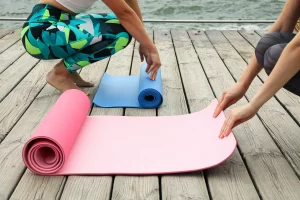
How to maintain yoga mats?
Comprehensive Guide to Maintaining Your Yoga Mat: Tips for Longevity and Hygiene
Maintaining your yoga mat is crucial to ensure a long-lasting, hygienic, and enjoyable practice. A well-maintained yoga mat not only supports your postures and provides comfort but also helps prevent the buildup of dirt, sweat, and bacteria that can affect your health. In this detailed guide, we’ll explore the best practices for maintaining your yoga mat, covering everything from regular cleaning routines to storage tips. By following these strategies, you can keep your yoga mat in excellent condition, ensuring it remains a reliable companion on your yoga journey.
1. Why Proper Maintenance of Your Yoga Mat Matters
Before delving into the specific steps of maintaining your yoga mat, it’s important to understand the significance of this practice. Regular maintenance offers several benefits:
-
Hygiene: Frequent cleaning and care prevent the accumulation of bacteria, sweat, and dirt, reducing the risk of skin infections and unpleasant odors.
-
Durability: Proper maintenance extends the lifespan of your yoga mat by preventing material degradation caused by dirt and moisture.
-
Performance: A well-maintained mat provides better grip, cushioning, and support, enhancing your overall yoga experience.
-
Mental Peace: Practicing on a clean, well-cared-for mat contributes to a clear mind and a focused practice.
2. Regular Cleaning: The Foundation of Mat Maintenance
The cornerstone of yoga mat maintenance is regular cleaning. Depending on how often you use your mat and the type of practice you engage in, your cleaning routine may vary. Here’s how to approach it:
2.1 Daily or After Every Use
For those who practice yoga frequently, especially in hot or sweaty environments, it’s crucial to clean your mat after every session. This prevents the buildup of sweat and bacteria, ensuring your mat remains fresh and hygienic.
-
Hot Yoga: In hot yoga classes, where excessive sweating is common, wiping down your mat with a gentle cleaner or a damp cloth after each session is essential.
-
Intense Workouts: If your practice involves high-intensity or vigorous movements, a quick clean after each session will help maintain the mat’s condition.
2.2 Weekly Deep Cleaning
Even if you wipe down your mat after each use, it’s important to give it a deep clean once a week. This routine helps remove any accumulated dirt, oils, and bacteria that daily cleaning might miss.
-
Thorough Cleaning: Use a mild soap or a specialized yoga mat cleaner mixed with water. Apply the solution to the mat, gently scrub it with a soft cloth or sponge, and rinse with clean water.
-
Drying: Always allow your mat to air dry completely before rolling it up. This prevents moisture from getting trapped, which can lead to mold or mildew.
2.3 Monthly or Periodic Cleaning
If you practice yoga less frequently, a monthly or periodic deep cleaning will suffice. However, always assess your mat’s condition after each use to determine if it needs an immediate clean.
-
Light Use: For occasional users, cleaning the mat once a month helps keep it in good shape without over-washing, which can wear out the material.
3. Proper Storage: Protecting Your Mat Between Sessions
How you store your yoga mat plays a significant role in its longevity. Proper storage prevents damage and ensures that your mat stays in good condition between uses.
3.1 Roll, Don’t Fold
Always roll your yoga mat instead of folding it. Folding can create creases that weaken the mat’s structure over time. Rolling helps maintain the mat’s integrity and makes it easier to store.
-
Rolling Tips: Start rolling your mat from the end opposite the side you usually start on. This helps prevent the edges from curling.
3.2 Keep It Dry and Cool
Store your mat in a cool, dry place, away from direct sunlight or heat sources. Excessive heat can degrade the material, and moisture can lead to mold and mildew growth.
-
Avoid Sunlight: Prolonged exposure to UV rays can break down the material of your mat, especially if it’s made of rubber or PVC. Store it in a shaded area.
-
Dry Before Storing: Ensure your mat is completely dry before rolling it up and putting it away. Moisture trapped inside the rolled mat can cause unpleasant odors and deterioration.
3.3 Use a Mat Bag or Strap
Investing in a yoga mat bag or strap can protect your mat from dirt, dust, and damage when not in use. It also makes transportation easier if you take your mat to classes or outdoor practices.
-
Mat Bags: A bag with ventilation is ideal as it allows air circulation, preventing moisture buildup inside the bag.
-
Mat Straps: A simple mat strap can keep your mat rolled tightly and make it easier to carry without adding bulk.
4. Material-Specific Care: Tailoring Maintenance to Your Mat’s Material
Different yoga mats are made from various materials, each requiring specific care to maintain their quality and performance. Here’s how to care for the most common types:
4.1 PVC Mats
PVC (Polyvinyl Chloride) mats are durable and provide excellent cushioning, but they can become slippery if not properly maintained. Clean them with a mild soap solution and avoid using harsh chemicals.
-
Cleaning: Mix a few drops of mild dish soap with water, and wipe the mat with a damp cloth. Rinse with clean water and let it air dry.
4.2 Rubber Mats
Rubber mats offer great grip but can be sensitive to certain cleaners. Avoid using too much water and opt for a natural cleaning solution.
-
Cleaning: Use a mixture of water and a few drops of essential oil (like tea tree or lavender). Wipe down the mat with a soft cloth, and allow it to dry completely.
4.3 TPE Mats
TPE (Thermoplastic Elastomer) mats are eco-friendly and require gentle care. Avoid using abrasive cleaners or brushes.
-
Cleaning: A mixture of water and a small amount of mild detergent works well. Gently wipe the mat and rinse with water. Ensure it dries thoroughly before use.
4.4 Jute Mats
Jute mats are natural and biodegradable but require careful handling to avoid fraying or weakening.
-
Cleaning: Use a damp cloth to clean the surface. Avoid soaking the mat, as jute is highly absorbent and can take a long time to dry.
5. Additional Tips for Maintaining Your Yoga Mat
Beyond regular cleaning and proper storage, there are other tips and tricks to help you maintain your yoga mat and ensure it remains in top condition.
5.1 Use a Towel During Practice
Placing a towel on your mat during practice can absorb sweat and reduce direct contact with the mat’s surface. This helps in minimizing wear and tear, especially if you have a vigorous practice.
-
Sweat Absorption: A yoga towel can prevent sweat from seeping into the mat, reducing the need for frequent cleaning.
5.2 Rotate Your Mat
To avoid uneven wear, occasionally rotate your mat so that both sides receive equal use. This simple habit can extend the life of your mat by preventing one side from wearing out faster.
- Alternate Sides: If your mat has a non-slip side and a regular side, alternate which side you use for different types of practice.
5.3 Inspect Your Mat Regularly
Regularly check your mat for signs of wear, such as thinning, fraying edges, or loss of grip. If you notice any of these issues, it might be time to replace your mat.
-
Replacement: A well-maintained mat can last several years, but once it starts showing significant signs of wear, it’s best to replace it to ensure safety and performance.
Conclusion
Maintaining your yoga mat is a practice in itself, one that ensures your mat remains a supportive, hygienic, and durable part of your yoga journey. By following the guidelines outlined in this comprehensive guide, you can extend the life of your mat, improve your practice experience, and maintain a healthy and safe environment for your yoga sessions. Whether you’re a beginner or an experienced yogi, these maintenance tips will help you get the most out of your yoga mat for years to come.
Are yoga mats hygienic?
Understanding the Risks and How to Keep Your Mat Clean
Yoga mats are essential tools for anyone who practices yoga, offering support, stability, and comfort during various poses. However, a common concern among practitioners is whether yoga mats are hygienic. Given that these mats come into direct contact with our skin and absorb sweat, dirt, and oils, it’s natural to wonder about their cleanliness. In this comprehensive guide, we will explore the hygiene of yoga mats, the potential health risks associated with dirty mats, and how to maintain a hygienic practice.
1. The Hygiene of Yoga Mats: Are They Safe to Use?
Yoga mats can be hygienic, but it largely depends on how they are used and maintained. Without proper care, yoga mats can become breeding grounds for bacteria, fungi, and other pathogens, posing potential health risks.
-
Direct Contact with Skin: Yoga mats are often used barefoot and come into contact with exposed skin, making them susceptible to absorbing sweat, oils, and skin cells. This direct contact can lead to the buildup of dirt and bacteria over time.
-
Sweat Absorption: During intense yoga sessions, especially in hot yoga, mats absorb significant amounts of sweat. This moisture, combined with a warm environment, creates ideal conditions for bacteria and fungi to thrive.
-
Environmental Exposure: If you practice yoga outdoors or in a communal setting, your mat is exposed to additional environmental contaminants, increasing the risk of exposure to dirt, pollen, and other allergens.
2. Potential Health Risks of Using an Unhygienic Yoga Mat
Using a dirty yoga mat can lead to several health issues, ranging from minor skin irritations to more serious infections. Here are some potential risks associated with unhygienic yoga mats:
2.1 Skin Infections and Irritations
When bacteria, sweat, and oils accumulate on your yoga mat, they can cause skin issues such as rashes, acne, and infections.
-
Bacterial Infections: Staphylococcus aureus (commonly known as staph) is one type of bacteria that can thrive on dirty yoga mats. If you have cuts or abrasions, these bacteria can cause infections.
-
Fungal Infections: Fungi, such as athlete’s foot and ringworm, can easily spread on shared or unclean mats, especially in humid conditions like hot yoga studios.
2.2 Respiratory Issues
For those with allergies or asthma, using a mat that hasn’t been cleaned properly can lead to respiratory problems.
-
Dust and Allergens: Mats can collect dust, pollen, and other allergens, which can trigger asthma attacks or allergic reactions when inhaled during practice.
-
Mold and Mildew: If a yoga mat is not allowed to dry completely after cleaning or use, it can develop mold or mildew, which can release spores into the air and cause respiratory issues.
2.3 Unpleasant Odors
A mat that isn’t cleaned regularly can develop an unpleasant smell due to the buildup of sweat and bacteria.
-
Odor-Causing Bacteria: The bacteria that thrive in sweat can produce foul odors, making your mat less pleasant to use and possibly disrupting your focus during practice.
3. How to Ensure Your Yoga Mat Remains Hygienic
Maintaining a hygienic yoga mat is essential for a safe and enjoyable practice. By following these steps, you can keep your mat clean and reduce the risk of health issues:
3.1 Regular Cleaning Routine
Cleaning your mat regularly is the most effective way to maintain its hygiene. Depending on how often you practice, establish a cleaning routine that suits your needs.
-
After Every Use: Wipe down your mat with a gentle cleaner or a mixture of water and essential oils (like tea tree or lavender) to remove sweat and bacteria after each session.
-
Weekly Deep Cleaning: Give your mat a thorough wash at least once a week. Use mild soap and water, and scrub the mat gently to remove any embedded dirt or oils.
3.2 Proper Drying Techniques
Ensuring your mat is completely dry before storing it is crucial to prevent the growth of mold and mildew.
-
Air Drying: Always allow your mat to air dry in a well-ventilated area. Avoid direct sunlight, as UV rays can degrade the material.
-
Hanging: If possible, hang your mat up to dry rather than laying it flat. This promotes better air circulation and speeds up the drying process.
3.3 Using a Yoga Towel
Placing a yoga towel over your mat during practice can absorb sweat and reduce direct contact between your skin and the mat.
-
Sweat Absorption: A yoga towel is particularly useful in hot yoga or any practice where you sweat heavily. It can be easily washed after each use, keeping your mat cleaner.
-
Extra Grip: Towels can also provide additional grip, especially if your mat becomes slippery from sweat.
3.4 Storage and Transport
How you store and transport your yoga mat also affects its hygiene. Keeping it in a clean environment prevents it from picking up additional dirt and bacteria.
-
Mat Bag: Store your mat in a bag to protect it from dust and dirt. Choose a bag with ventilation to prevent moisture buildup.
-
Avoid Damp Areas: Never store your mat in damp or humid environments, as this can encourage the growth of mold and mildew.
4. Special Considerations for Shared or Studio Mats
If you use a yoga mat provided by a studio or gym, there are additional hygiene considerations to keep in mind:
4.1 Wipe Down Before and After Use
Even if a studio provides cleaning supplies, it’s a good idea to wipe down the mat before and after use to ensure it’s clean.
-
Disinfecting Wipes: Bring your own disinfecting wipes to quickly clean the mat before your practice. This helps protect you from any germs left by previous users.
-
Personal Mat Towel: Using a personal towel or covering the studio mat with your own towel can provide an extra layer of protection.
4.2 Consider Bringing Your Own Mat
If possible, bring your own mat to class. This ensures you have control over its cleanliness and reduces the risk of exposure to germs.
-
Personal Hygiene: Having your own mat means you can maintain a consistent cleaning routine and avoid the uncertainties of using a communal mat.
-
Convenience: A personal mat also offers the comfort of familiarity and ensures that it meets your specific needs for grip and cushioning.
5. Signs Your Yoga Mat Needs Replacing
Even with diligent care, there comes a time when a yoga mat needs to be replaced. Here are some signs that your mat may no longer be hygienic or effective:
5.1 Visible Wear and Tear
If your mat is showing signs of wear, such as fraying edges, thinning areas, or loss of grip, it may be time to invest in a new one.
-
Compromised Hygiene: Worn-out mats can harbor more bacteria and dirt in the damaged areas, making them harder to clean effectively.
5.2 Persistent Odor
If your mat retains an unpleasant smell even after thorough cleaning, it may be time to replace it.
-
Odor Trapped in Material: Over time, sweat and bacteria can become deeply embedded in the mat’s material, making it difficult to eliminate odors completely.
5.3 Loss of Cushioning or Support
If your mat no longer provides the cushioning and support you need, it may be affecting your practice and potentially increasing the risk of injury.
-
Safety Concerns: A mat that has lost its cushioning or grip can lead to slips or discomfort during practice, making it less safe and effective.
Conclusion
Yoga mats can be hygienic, but it requires regular care and attention to ensure they remain clean and safe to use. By understanding the potential health risks of using an unhygienic mat and following the recommended cleaning and maintenance practices, you can enjoy a healthier, more comfortable yoga experience. Whether you’re practicing at home or in a studio, prioritizing the hygiene of your yoga mat is essential for your well-being and the longevity of your mat.
#YogaMatCleaning #MatCareTips #YogaHygiene #CleanYogaMat #YogaMatMaintenance #HealthyMat #YogaTips #MatCleaningGuide #YogaEquipmentCare #YogaPracticeEssentials
[contact-form-7 id=”0409447″ title=”Yoga Aid”]
🌿 Support Yoga-Aid
If Yoga-Aid’s free yoga lessons and faith-rooted wellness tips bless your life, a small gift helps keep the site ad-free and makes new resources possible. You can give a one-time donation or a small recurring gift — every kindness matters.
Need a receipt or help? Email: vinorayen@gmail.com

Scan to give via PayPal
Thank you 💚 — Your kindness keeps Yoga-Aid freely available to readers seeking health, hope and faith.


