


Please note this post may contain affiliate links and I may earn a commission if you click them and make a purchase. This is, of course, at no cost to you, and I only share products that I use and love myself. Please read my affiliate-disclosure for more information.
The Benefits of Vitamin D: Why It’s Essential for Health and How to Boost Your Levels
Introduction:
Vitamin D is often called the “sunshine vitamin” for a good reason. It plays a crucial role in maintaining your overall health, supporting bone strength, immunity, and even mental well-being. Despite being easy to obtain through sunlight and certain foods, many people worldwide are deficient in this essential nutrient. In this blog post, we’ll explore the key benefits of Vitamin D, how to ensure you’re getting enough of it, and some simple yoga tips to enhance your Vitamin D absorption naturally.
What is Vitamin D and Why is it Important?
Vitamin D is a fat-soluble vitamin that helps regulate calcium and phosphate levels in the body. It plays a vital role in:
-
Bone Health: Strengthens bones by aiding calcium absorption.
-
Immune System: Enhances your body’s ability to fight infections.
-
Mental Health: Improves mood and reduces the risk of depression.
-
Muscle Function: Supports muscle strength and prevents weakness.
Without adequate Vitamin D, you may experience bone pain, muscle weakness, and a weakened immune system.
Primary Benefits of Vitamin D
1. Strengthens Bones and Teeth
Vitamin D helps your body absorb calcium, which is essential for strong bones and teeth. A lack of Vitamin D can lead to conditions like rickets in children and osteoporosis in adults.(1)
2. Boosts Your Immune System
One of the major benefits of Vitamin D is its ability to support the immune system. It helps your body ward off infections and reduces inflammation.
3. Supports Mental Health
Low levels of Vitamin D are linked to depression and anxiety. Ensuring you get enough of this nutrient can help improve mood and overall mental well-being.
4. Improves Muscle Strength
Vitamin D is essential for maintaining muscle function and preventing muscle weakness, particularly in older adults.
5. Promotes Heart Health
Adequate Vitamin D levels may reduce the risk of cardiovascular diseases by helping regulate blood pressure and improving overall heart function.
6. Reduces Risk of Chronic Diseases
Vitamin D may lower the risk of chronic diseases such as diabetes, multiple sclerosis, and certain cancers.(2)
How to Get Enough Vitamin D Naturally

-
Sunlight Exposure:
-
Spend at least 15-30 minutes in the sun daily, preferably in the morning or late afternoon to avoid harmful UV rays.
-
Ensure your face, arms, and legs are exposed for optimal Vitamin D production. (3)
-
-
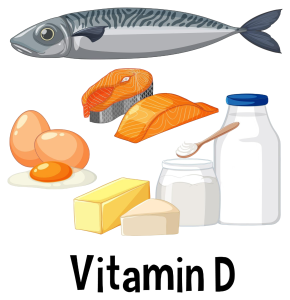
Eat Vitamin D-Rich Foods:
Include these foods in your diet:
-
Fatty Fish (salmon, mackerel, sardines)
-
Egg Yolks
-
Fortified Dairy Products (milk, cheese, yogurt)
-
Mushrooms exposed to sunlight (4)
-
-
Take Supplements:
If sunlight and diet are not sufficient, Vitamin D supplements can help you meet your daily needs. Consult with your healthcare provider for the right dosage.
Yoga Tips to Boost Vitamin D Absorption

Yoga can play a complementary role in improving your health and ensuring proper Vitamin D absorption. Here are a few yoga poses you can practice outdoors to maximize sunlight exposure:(5)
1. Surya Namaskar (Sun Salutation)
-
Perform 5-10 rounds of Surya Namaskar in the early morning sun. This sequence enhances flexibility and ensures you get ample sunlight exposure.
2. Vrksasana (Tree Pose)
-
Stand tall with one foot placed on the inner thigh of the opposite leg. Raise your arms and hold for 30-60 seconds. Practicing outdoors helps you absorb sunlight while improving balance.
3. Tadasana (Mountain Pose)
-
A simple yet effective pose. Stand straight, stretch your arms overhead, and breathe deeply. This pose can be practiced in the sun to encourage Vitamin D production.
4. Trikonasana (Triangle Pose)
-
Stretch your body sideways while holding this pose. It improves blood circulation and helps in absorbing sunlight efficiently.(6)
FAQs About Vitamin D
Q1: How much Vitamin D do I need daily?
Adults typically need 600-800 IU (International Units) per day, depending on age and health conditions.
Q2: Can I get too much Vitamin D?
Yes, excessive Vitamin D from supplements can cause toxicity. Stick to recommended doses unless advised by a healthcare provider.
Q3: What are the symptoms of Vitamin D deficiency?
Common symptoms include fatigue, bone pain, muscle weakness, and mood changes.
Q4: What are the main benefits of Vitamin D for health?
Vitamin D is crucial for maintaining bone health by aiding calcium absorption, which helps prevent osteoporosis and fractures. Additionally, it supports the immune system, reduces inflammation, and improves mood. The benefits of Vitamin D for overall health also include enhancing heart function and supporting muscle strength.
Q5: What are the symptoms of Vitamin D deficiency?
Common symptoms of Vitamin D deficiency include bone pain, muscle weakness, fatigue, and frequent infections. Severe deficiency can lead to osteomalacia in adults and rickets in children. You may also experience hair loss and mood changes. To maintain adequate Vitamin D levels, ensure regular sun exposure, consume Vitamin D-rich foods, or take supplements if needed.
Key Takeaways
-
Vitamin D is crucial for bone health, immunity, and mental well-being.
-
Get Vitamin D naturally through sunlight, diet, and supplements if needed.
-
Practice yoga poses outdoors to maximize your body’s ability to produce Vitamin D.
Conclusion
Vitamin D is a powerful nutrient that supports various aspects of health. Incorporate more sunlight exposure, eat Vitamin D-rich foods, and enhance your well-being through yoga. A healthy lifestyle with adequate Vitamin D will help you stay strong and energized.
What Happens Due to Vitamin D Deficiency?

A Vitamin D deficiency can have serious consequences for your overall health. When your body lacks sufficient Vitamin D, it struggles to absorb calcium and phosphorus effectively, leading to several health issues. Let’s explore the potential problems caused by low Vitamin D levels:(7)
1. Bone Pain and Weakness
One of the most well-known effects of Vitamin D deficiency is bone pain and muscle weakness. In severe cases, it can lead to osteomalacia (softening of bones) in adults and rickets in children, both of which result from poor calcium absorption.
2. Weakened Immune System
Without adequate Vitamin D, your immune system weakens, making you more susceptible to frequent infections. The benefits of Vitamin D for immunity are critical; low levels may increase the risk of respiratory infections and flu.
3. Mood Disorders and Depression
Low levels of Vitamin D are linked to seasonal affective disorder (SAD) and depression. Ensuring you meet your daily Vitamin D requirement can improve mood and mental well-being.
4. Increased Risk of Osteoporosis
For older adults, a lack of Vitamin D can contribute to osteoporosis—a condition where bones become brittle and prone to fractures. This is why Vitamin D for bone health is essential, especially for postmenopausal women and the elderly.
5. Chronic Fatigue
Feeling constantly tired? One of the lesser-known symptoms of Vitamin D deficiency is chronic fatigue. Many people are unaware that low Vitamin D levels can sap energy and impact productivity.
6. Hair Loss
Severe Vitamin D deficiency has been associated with hair loss conditions like alopecia areata. Ensuring adequate Vitamin D intake may help promote hair growth and scalp health.
7. Heart Problems
Studies suggest that low Vitamin D levels may contribute to heart conditions like hypertension and heart disease. The benefits of Vitamin D for heart health include regulating blood pressure and reducing inflammation.
How to Prevent Vitamin D Deficiency
-
Get Sunlight Exposure: Aim for 15-30 minutes of sunlight daily.
-
Eat Vitamin D-Rich Foods: Include fatty fish, egg yolks, and fortified dairy in your diet.
-
Take Supplements: Consult a healthcare professional for the right Vitamin D supplement if needed.
Infographics
For a detailed guide on choosing the best Vitamin D supplement, watch this insightful video by Dr. Mandell.
For more insights on the health benefits of Vitamin D, check out this video by Ryan Tailor.
References:
1) Your Guide to Vitamin D Benefits
https://www.healthline.com/health/food-nutrition/benefits-vitamin-d
2) What is vitamin D and why does the body need it?
https://www.medicalnewstoday.com/articles/161618
3) Vitamin D helps regulate the amount of calcium and phosphate in the body.
https://www.nhs.uk/conditions/vitamins-and-minerals/vitamin-d/
4) What the research says
https://www.mayoclinic.org/drugs-supplements-vitamin-d/art-20363792
5) Do you need more vitamin D in the winter?
https://newsnetwork.mayoclinic.org/discussion/mayo-clinic-minute-do-you-need-more-vitamin-d-in-the-winter/
6) 10 Benefits of Vitamin D2 and Vitamin D3
https://www.health.com/nutrition/vitamins-supplements/vitamin-d-benefits
[contact-form-7 id=”0409447″ title=”Yoga Aid”]
🌿 Support Yoga-Aid
If Yoga-Aid’s free yoga lessons and faith-rooted wellness tips bless your life, a small gift helps keep the site ad-free and makes new resources possible. You can give a one-time donation or a small recurring gift — every kindness matters.
Need a receipt or help? Email: vinorayen@gmail.com

Scan to give via PayPal
Thank you 💚 — Your kindness keeps Yoga-Aid freely available to readers seeking health, hope and faith.


